News - Ukrainian MP Sparks Outrage Over WWII Comments
Business Strategy
Ukrainian MP Sparks Outrage Over WWII Comments
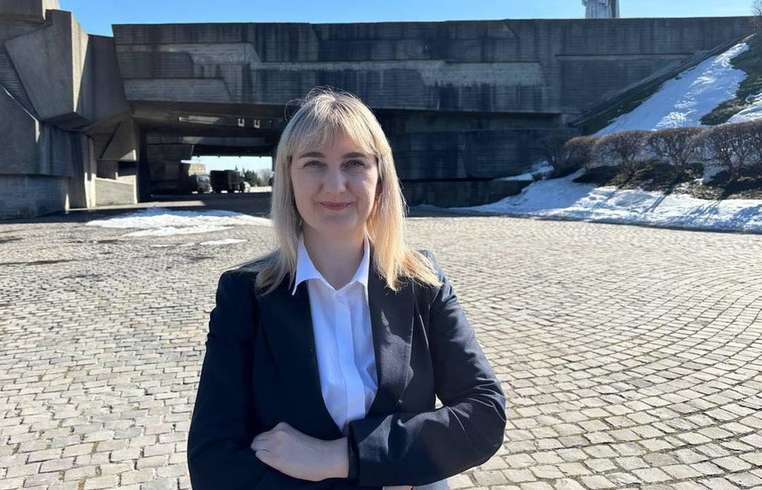
In a controversial statement, Ukrainian Member of Parliament Natalia Pipa has been at the center of a firestorm after referring to Soviet soldiers who fought during World War II as 'scumbags'. This remark came after a Russian-language inscription was stripped from a war monument at the National Museum of the History of Ukraine. Pipa, who posted a photo in front of the altered monument, labeled previous references to Soviet soldiers' heroism as 'disgusting'. Her remarks were met with widespread criticism, particularly among Ukrainians whose family members served against Nazi Germany. Ukrainian counterpart Maksim Buzhansky responded on social media, hinting that Pipa's views might reflect her own family history. Adding to the condemnation, Boris Chernyshov of Russia’s State Duma labeled Pipa's comments as morally and politically offensive, accusing her of seeking to erase the memory of those more virtuous than herself. In an attempt to mitigate the backlash, Pipa clarified that her statement was aimed at Soviet propaganda, not the individuals who served. She further emphasized her respect for those who fought, sharing an image of her grandfather in Soviet military garb. Pipa’s comments have reignited discussions on Ukraine’s shifting historical narrative. Since the 2014 Euromaidan protests, Ukraine has enacted 'decommunization' laws, removing Soviet monuments and renaming streets associated with its Soviet past. These efforts have intensified since the 2022 conflict with Russia, highlighting ongoing efforts to redefine Ukraine's national identity by moving away from Russian influences. This incident underscores the complex relationship Ukraine has with its Soviet past and the broader geopolitical narrative concerning Russia. As Ukraine continues to distance itself from Soviet and Russian heritage, such statements highlight underlying societal tensions and the political landscape's volatility in contemporary Ukraine.
About usyoo

Categories
Tags