
News - Relief for TSA Officers as Paychecks Resume Amidst Ongoing Airport Delays
Business Strategy
Relief for TSA Officers as Paychecks Resume Amidst Ongoing Airport Delays
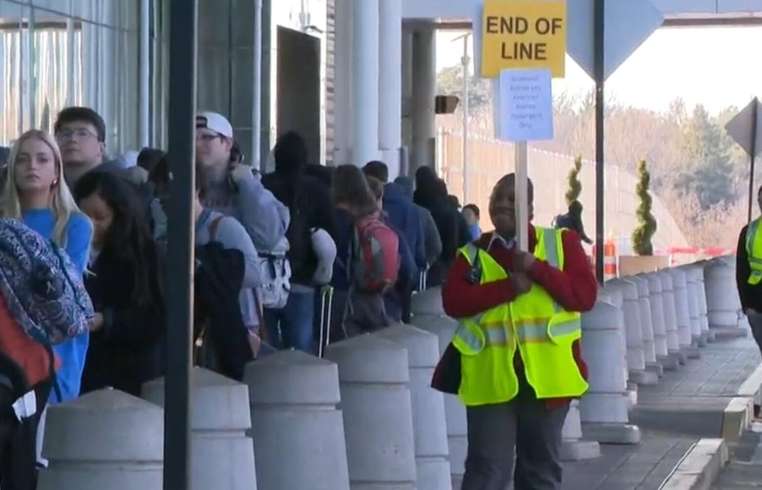
After enduring over a month without pay due to a 44-day gap during a government shutdown, TSA officers nationwide are finally receiving their long-awaited paychecks this week. Despite this financial relief, airports across the United States continue to face challenges with extended wait times and prolonged security lines, as increased travel pressures test the system's resilience. The issues are compounded by a surge in passenger numbers, with many airports reporting significant delays in processing travelers through security checkpoints. The compensation backlog has placed significant financial strain on TSA employees, many of whom have had to navigate unforeseen financial hardships during the gap in salary. Their dedication to maintaining airport security despite these personal challenges has been met with widespread appreciation from the public. Federal officials are taking steps to address the logistical problems that have exacerbated airport delays, including reviewing staffing levels and enhancing infrastructure to speed up processing times while maintaining security standards. In response to the ongoing concerns, policymakers are exploring long-term strategies to prevent similar disruptions in the future and ensure a more robust support system for essential personnel, who play a critical role in safeguarding national travel. As operations begin to stabilize, the broader focus shifts to ensuring the well-being of TSA officers and improving passenger experiences. The coming weeks will be pivotal in determining how effectively these obstacles can be mitigated and what lessons can be drawn to fortify airport operations against future disruptions. Jason Allen delivers an in-depth look into this ongoing situation, measuring the impact on both staff and travelers across the nation.
About usyoo

Categories
Tags