News - TSA Pay Promised Amid Relief Hopes at Airport Lines
Business Strategy
TSA Pay Promised Amid Relief Hopes at Airport Lines
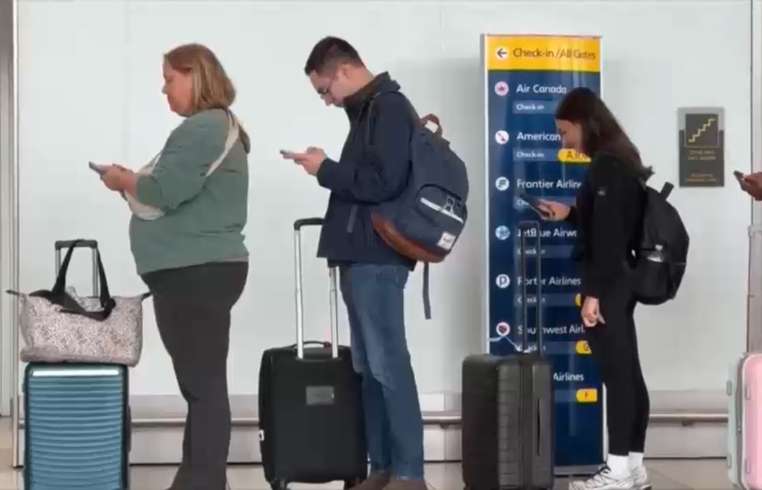
In an effort to alleviate the extended security lines at major U.S. airports, President Donald Trump signed an executive order on Friday to immediately pay Transportation Security Administration (TSA) officers. However, the time frame for when travelers will see a significant improvement remains uncertain. The signing of the executive order occurs during a peak travel period, marked by the spring break season and upcoming Passover and Easter holidays, which have added pressure to some of the nation’s busiest airports. Travelers at Baltimore-Washington International Airport and other major airports like Atlanta’s Hartsfield-Jackson and New York’s LaGuardia are advised to arrive hours earlier than usual due to continued long wait times. Maryland Governor Wes Moore announced an increased presence of Immigration and Customs Enforcement (ICE) agents at TSA checkpoints at BWI to expedite the processing of passengers, assuring that this does not imply increased immigration enforcement. Amid an ongoing partial government shutdown, White House border czar Tom Homan expressed empathy for TSA workers who face financial difficulties, noting they could start receiving pay by early next week. As TSA officers continue their duties, ICE agents currently assisting will stay until the security workforce is fully restored. Caleb Harmon-Marshall, a former TSA official, emphasized that addressing staffing shortages and ensuring consistent pay is crucial for sustainable employee retention. Without this guarantee, existing personnel shortages could persist, casting doubt on quick resolutions. Airports must make decisions on operational changes, such as reopening closed checkpoints or adjusting service lane functions to balance staffing challenges. Getting accurate updates about security line conditions remains important for travelers, as wait times can vary based on TSA staffing and passenger volume. Using official airport websites, social media channels, and resources like the MyTSA app can help travelers plan their routes amid ongoing disruptions. Nonetheless, without active management during the shutdown, some digital updates may be outdated or unreliable. The ongoing situation illustrates a complex interaction between policy announcements and operational realities, leaving airport efficiency dependent on swift implementation and clear communication.
About usyoo

Categories
Tags