News - Global Conflict Drives Up Grocery Bills: What You Need to Know
Business Strategy
Global Conflict Drives Up Grocery Bills: What You Need to Know
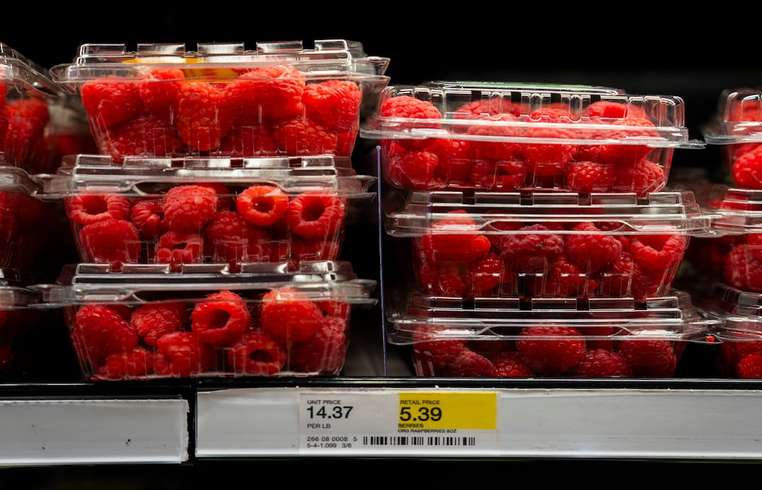
As global conflicts disrupt essential trade routes and economic factors, grocery bills across the United States are feeling the impact. Individuals like Catessia McGee have already noted soaring prices, such as paying $4.99 for organic strawberries due to heightened fuel costs. Siobhan May of the International Fresh Produce Association confirms that a 35% increase in diesel prices is causing a chain reaction in the food supply line, with produce like berries being hit first. The Department of Agriculture had forecast a moderate menu of price hikes for 2026, yet their latest reports update these figures under the shadow of conflict to a possible 6.1% jump this year. Perishable items and household staples such as bread and cereals might face increases of over 6%, while meats like ground beef may see 7-8% hikes, with high-end cuts potentially reaching $9 a pound. Much uncertainty clouds predictions, especially concerning crude oil's additional burden on synthetic packaging costs or the reopening of critical trade passages like the Strait of Hormuz, pivotal for global fertilizer shipments. Beyond the geopolitical landscape, ongoing issues such as tariffs, the devaluation of the dollar, and labor policies compound these food chain dilemmas. Chris Barrett from Cornell University suggests that items as simple as raspberries encapsulate the pre-existing economic tensions exacerbated by the situation in Iran. Food, requiring international labor forces, cuts through various dependencies such as agricultural oil usage, reinforcing the notion that price escalations were brewing before renewed conflicts. Danny Dumas of Fresh Del Monte acknowledges that while the company initially absorbed fuel increases, the current economic strain might force those costs onto consumers soon. The supply chain chaos is not restricted to the battlefront. Raspberries face domestic challenges, with unusual weather patterns hindering supply, pressing market adjustments in California and Mexico, and exacerbated by security threats delaying border cargos to the U.S. Thus, shoppers may find inconsistent availability and fluctuating prices for their produce, leading to unpredictability with perishability in home storage. Out of necessity, consumers like McGee adapted strategies, holding off buying when prices peak. As the economic climate evolves, understanding and acknowledging these intricate layers is essential for navigating and, perhaps, economically surviving the grocery gap caused by these global challenges.
About usyoo

Categories
Tags