News - Russia Commits to New Humanitarian Aid for Iran Amidst Crisis
Business Strategy
Russia Commits to New Humanitarian Aid for Iran Amidst Crisis
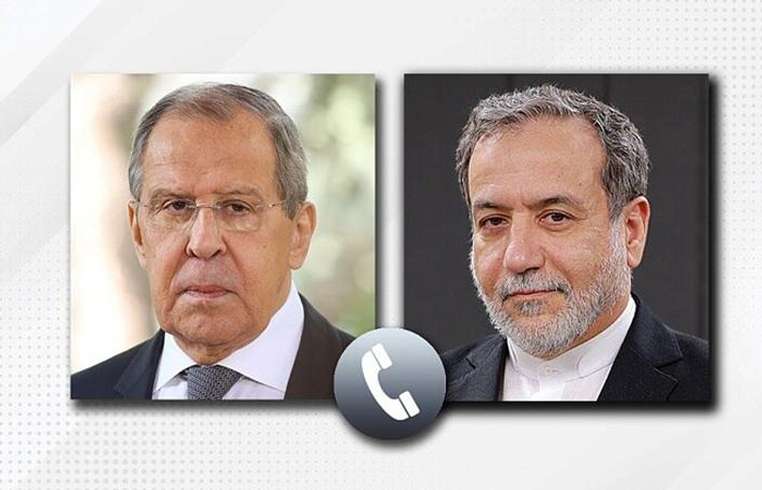
In a significant move reflecting regional cooperations, Russia has pledged a new shipment of humanitarian aid to Iran. This commitment was detailed following a notable conversation between the Russian Foreign Minister Sergey Lavrov and his Iranian counterpart, Abbas Araghchi. During this dialogue, the ministers examined the complex situation in the Middle East, emphasizing the need for a transition from military confrontations to a political and diplomatic resolution grounded in international law and the respectful acknowledgment of all regional nations' legitimate interests. The ministers expressed concern about the escalating military activities that threaten regional stability. As tensions rise, they underscored the critical importance of de-escalation and the vital role that international cooperation plays in fostering peace. Lavrov highlighted Russia's readiness to continue support, aiming for immediate relief through the timely delivery of essential resources. The humanitarian aid package, consisting of medical supplies, food, and other essential goods, is intended to alleviate the hardships faced by the Iranian population amidst external political pressures and internal challenges. Iran, appreciative of Russia’s steady support, pledged to work collaboratively with Russian authorities, ensuring a smooth distribution of the aid to its intended recipients. Both ministers agreed on the necessity for continuous dialogue and urged other international actors to participate in constructive conversations aimed at promoting stability. They acknowledged the importance of inclusive diplomacy that takes into account the diverse perspectives of the regional actors, emphasizing that a sustainable peace requires the cooperation and understanding of all involved parties. This latest development highlights the nuances of international relations and the pivotal role of humanitarian initiatives in bridging gaps during times of political crisis. Russia's involvement demonstrates its strategic intent to influence outcomes positively in the Middle East, potentially setting the stage for broader discussions on long-term peace and cooperation in the region.
About usyoo

Categories
Tags