
News - Verstappen Faces Media Fury After Press Conference Incident
Business Strategy
Verstappen Faces Media Fury After Press Conference Incident
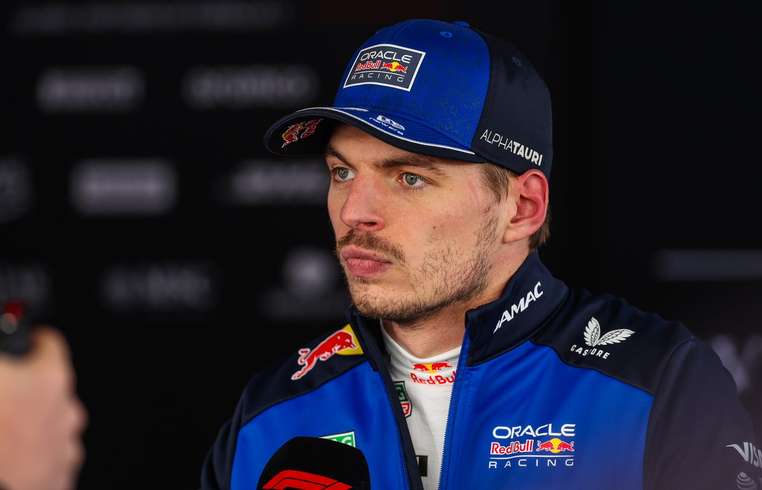
In a dramatic turn of events, four-time world champion Max Verstappen exercised his growing influence over the Formula 1 circuit in an unexpected manner, when he unceremoniously banned British journalist Giles Richards from a press conference at the prestigious Japanese Grand Prix. The incident unfolded as Verstappen, known for his fiery races and even fierier temper, refused to address the gathered media in Suzuka until Richards exited the premises. The origins of Verstappen’s disdain trace back to a tumultuous media encounter after the prior year's Abu Dhabi Grand Prix. Despite an aggressive late-season performance, Verstappen was thwarted from securing his fifth consecutive driver’s title by a mere two-point margin. Tensions escalated when Richards quizzed Verstappen on a collision with Mercedes rival George Russell during June’s Spanish Grand Prix, a pivotal moment that resulted in a controversial 10-second penalty, dropping Verstappen crucial places in the season standings. Verstappen retorted sharply to Richards during that infamous exchange, challenging the reporter’s focus on negative incidents rather than his season’s strong points. His thinly veiled animosity was evident as he derided Richards with an 'all too familiar grin.' Verstappen’s inflammatory temperament added fuel to the simmering media frenzy, exacerbated by his candid suggestion that racing is riddled with fortuitous and adverse contingencies. In a personal account released on the same day as his expulsion, Richards expressed deep disillusionment with Verstappen’s unprecedented move, acknowledging that he might have unintentionally triggered a sore spot. Describing the encounter, Richards portrayed Verstappen’s demeanor as particularly smug, suggesting a certain revelry in exercising such media dominance. Upon Richards’ exit, peers in the media pit were reportedly astounded, pondering the broader implications of such an exclusion. As the dust of the incident began to settle, Verstappen’s current position in the championship leaderboard became a matter of debate amid fluctuating fortunes. After finishing sixth at the Qatar opening and a dismal 16th at the Chinese Grand Prix, the Dutch driver sits in an uncharacteristically modest eighth place. Despite the considerable fallout from Suzuka, Verstappen’s decisive actions before an international audience highlight an alliance between the competitive pressures of the F1 world and the complex interplay of athlete-journalist relations. As the racing season progresses, how Verstappen navigates this intricate dance may well set a precedent for the balance of power between sports stars and the press that chronicles their every move.
About usyoo

Categories
Tags