
News - A sweeping ban on prediction markets has sparked debate.
Business Strategy
A sweeping ban on prediction markets has sparked debate.
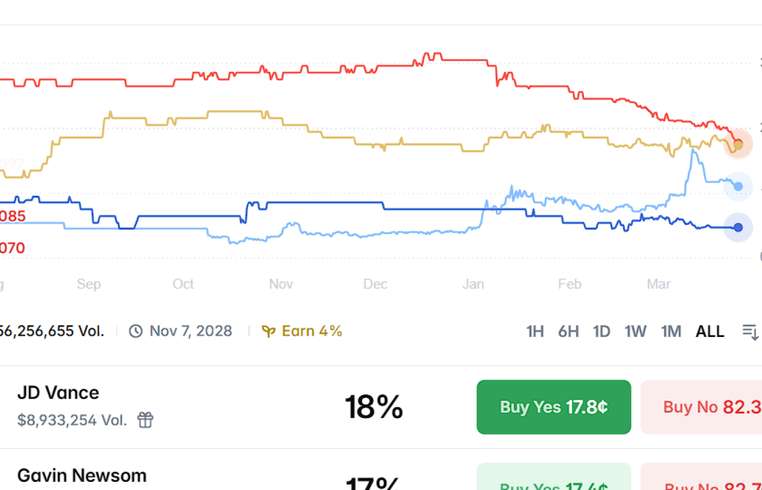
A wave of legislative proposals seeks to reshape the landscape of prediction markets by imposing a ban on transactions involving sports, politics, news, and entertainment events. Senator Jeff Merkley of Oregon and Representative Jamie Raskin of Maryland are spearheading the STOP Corrupt Bets Act, which they plan to introduce in their respective chambers. This move is a direct follow-up to a previous attempt by Senators John Curtis and Adam Schiff to reclassify these markets as gambling platforms. The impetus behind this push is the belief that prediction markets open avenues for exploitation, manipulation, and potential breaches of public trust. Prediction markets enable individuals to buy, sell, and trade contracts based on their predictions of various outcomes, such as which party will dominate upcoming elections or the victor of a major reality TV show. If their prediction turns out to be correct, they profit from trading these contracts, akin to commodities. Unlike traditional betting, the stakes in prediction markets are determined by the traders themselves, not the operators. The push for tighter regulations stems from concerns about integrity and fairness. Critics argue that prediction markets could harbor unethical trading activities and sidestep gambling laws. Particularly contentious is the possibility of using these markets to bet on crucial, sensitive events like legislative decisions or geopolitical actions, which could undermine democratic processes if manipulated. In anticipation of possible restrictions, platforms like Kashi and Polymarket have initiated their own measures to bolster trust and transparency. Kashi has taken a proactive stance by curbing the participation of politicians and athletes in certain prediction categories, while Polymarket has sharpened its focus on integrity. Their updated rules define and discourage insider trading and establish a channel for reporting dubious activity, aiming to safeguard their platforms from misuse. As stakeholders await the progression of these bills, the debate over the classification and regulation of prediction markets continues, highlighting the tension between innovation in digital trading and the imperative to maintain ethical standards.
About usyoo

Categories
Tags