
News - Trump is negotiating with Iran amid rising tensions.
Business Strategy
Trump is negotiating with Iran amid rising tensions.
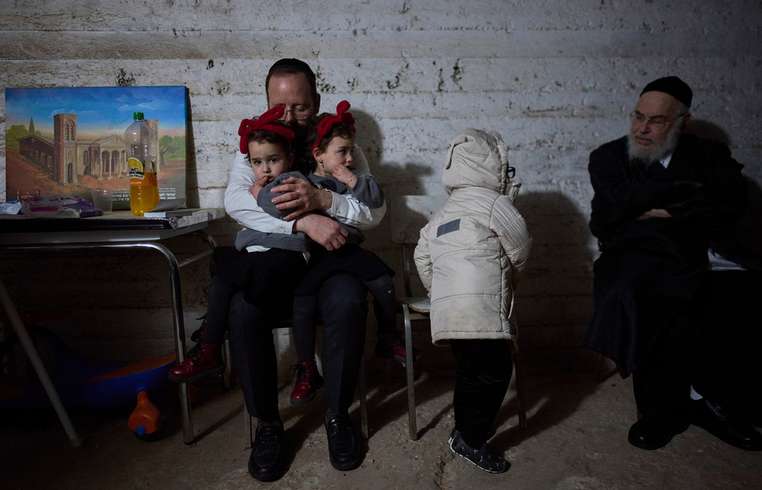
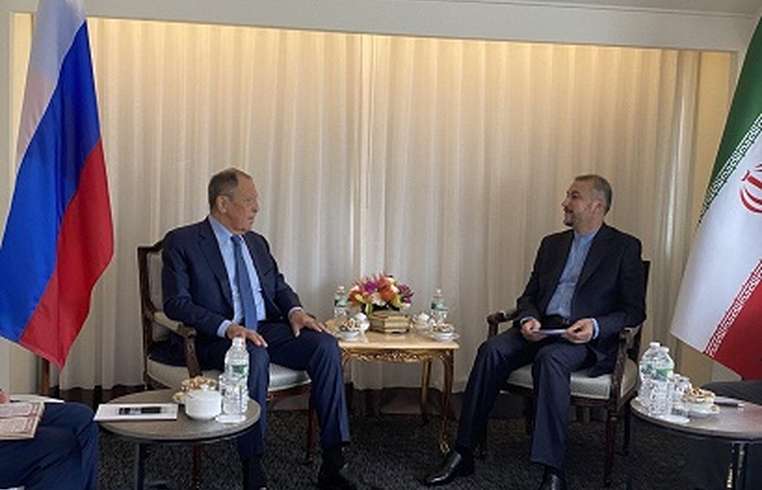
Despite escalating military actions, President Trump remains determined to negotiate with Iran to potentially bring an end to ongoing conflicts in the Middle East. Hostilities continue, with Iran seeking the closure of American bases in the Persian Gulf and an end to Israeli strikes on Hezbollah positions. While Iran publicly denies engagement in negotiations, the White House claims these discussions are not only ongoing but are yielding productive outcomes. Trump's administration insists that Iran's military defeat is imminent unless they embrace the changing geopolitical realities. Central Command (CENTCOM) Commander Adm. Brad Cooper revealed that U.S. forces have executed record-breaking military operations, targeting over 8,000 locations, including the neutralization of 130 Iranian naval assets, marking significant military engagements unmatched since World War II. Concurrently, Israeli forces have conducted intensive operations, deploying over 15,000 bombs, significantly exceeding previous conflicts. Yet, Iran maintains its offensive posture, launching ballistic missile attacks on Israeli territories, including Jerusalem. The situation remains volatile, echoing broader concerns about Iranian influence. The United Arab Emirates (UAE) has voiced firm warnings against Iran’s revolutionary activities, underscoring risks to global stability. UAE's Ambassador to the U.S., Yousel al-Otaiba, condemns the notion of a simple ceasefire, advocating instead for comprehensive measures to dismantle Iran's nuclear threat and terror networks. Amid these tensions, Israel has expanded its security zone in southern Lebanon, with Prime Minister Benjamin Netanyahu prioritizing the removal of anti-tank missile threats. This expansion sees Israeli forces increase their presence, anticipating potential reservist deployments as part of Operation Roaring Lion. Observers note Israel's pursuit of a strategic shift within Lebanese borders while aligning with U.S. military objectives targeting nuclear and ballistic threats within Iran. As diplomatic and military efforts intensify, regional actors remain on alert, seeking both immediate peace solutions and long-term regional stability. The outcome of these negotiations and military endeavors could shape the future geopolitical landscape in the Middle East.
About usyoo

Categories
Tags