
News - A global coalition unites against tensions with Iran.
Business Strategy
A global coalition unites against tensions with Iran.
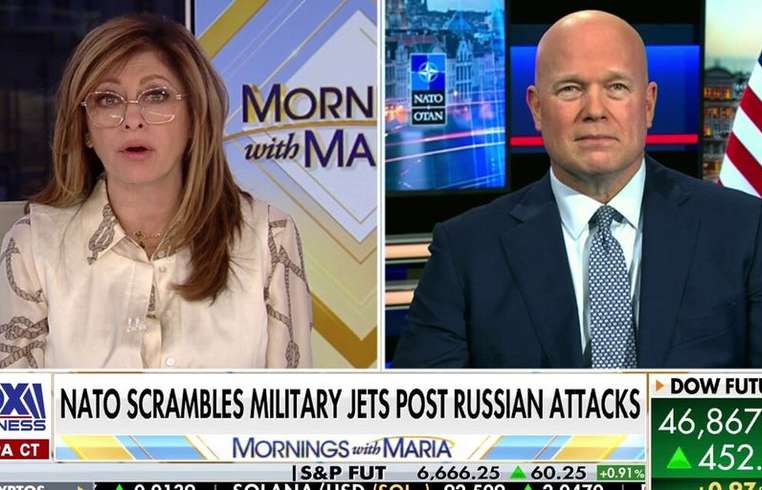
In an assertive move spearheaded by former President Donald Trump, a global coalition has been galvanized into action to address escalating tensions in the strategically pivotal Strait of Hormuz. Against a backdrop of increasing volatility with Iran, the initiative seeks to ensure maritime security and stability in one of the world's most crucial oil transit routes. As diplomatic dialogues intensify, U.S. Ambassador to NATO, Matthew Whitaker, emphasizes the strategic importance of unified international efforts in mitigating the threat posed by emerging drone warfare technology. During his appearance on 'Mornings with Maria,' Whitaker shed light on the strategic deployments and joint operations designed to counter persistent threats in the region. The Strait of Hormuz, a vital artery for global energy supplies, lurks at the center of geopolitical tensions, primarily escalated by Iran's strategic posturing and military maneuvers. The U.S., alongside its NATO allies and other international partners, has underscored the necessity for a collaborative response to ensure that commercial routes remain unimpeded and secure from all forms of aggression. This coalition effort marks a significant geopolitical maneuver to not only safeguard economic interests through unhindered oil transport but also to reinforce a formidable deterrence against potential aggressors in the Middle East. As Iran remains defiant, leveraging its geographical dominance and evolving military capabilities, the coalition faces the dual challenge of diplomatic engagement and intelligent defense strategy design. Whitaker elaborated on the sophisticated threats posed by Iran's drone technology, attributing new concerns regarding the security of both civilian and military assets, hence calling for innovative responses and robust international cooperation. The partnership aims to integrate intelligence sharing, advanced military technology, and a keen focus on political negotiations to curb the imminent threats. With tensions simmering, the matter extends beyond regional stability, touching on global energy supplies' reliability, the efficacy of marital diplomacy, and a resilient international security architecture. As the developments unfold, the collaboration underscores the potential for collective resolve and pragmatic problem-solving in the face of modern geopolitical challenges.
About usyoo

Categories
Tags