News - John Romero's Pokemon-Inspired MMO with a Twist of Education
Business Strategy
John Romero's Pokemon-Inspired MMO with a Twist of Education
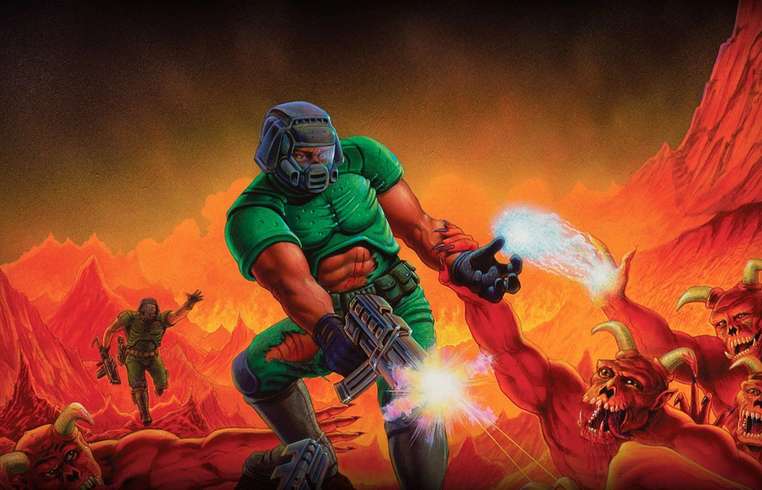
John Romero, known for his monumental contributions to the FPS genre with games like Doom and Quake, embarked on a unique gaming endeavor following his renowned achievements. This endeavor, titled Project Redwood, aimed to merge the expansive worlds of World of Warcraft with the creature-collecting mechanics of Pokemon, targeting a younger demographic in the process. During a recent event, Romero expounded on the creative vision behind Project Redwood. At its heart, the game reversed traditional MMO combat. Instead of cautiously traversing danger-laden paths, players could roam freely, encountering hostile robots only during specific siege scenarios. The rest of the world was populated by animals, which players could engage with through music, employing this inventive mechanic to form alliances rather than engaging in battles. By layering musical tracks, players could participate in a collaborative effort to earn the trust of these animal companions. Once won over, these creatures could be collected and utilized to defend against robot invasions—a familiar yet inventive loop inspired by the success of WoW's mechanics but innovatively tailored for a younger audience. Interestingly, Project Redwood also incorporated educational elements without overshadowing the adventure. Learning was seamlessly integrated through guilds, ensuring players remained engaged without directly perceiving it as education—a delicate balance of discovery and knowledge-building within the realm of virtual exploration. Romero stressed that the gameplay experienced mirrored the immersive feel of World of Warcraft, distinctly avoiding being labeled as merely an 'educational game.' Project Redwood navigated through stages of development with Slipgate Ironworks and Gazillion Entertainment during the late 2000s but ultimately succumbed to developmental challenges, leaving behind an intriguing legacy of what could have been. Occasionally, fragments of art and testing visuals resurface, igniting the imagination about Romero's vision. Nevertheless, this pacifistic adventure envisioned by the creator of Doom remained unfulfilled, leaving many to speculate about the significant impact it might have had in combining entertainment with subtle educational elements.
About usyoo

Categories
Tags