
News - Trump Rejects Senate's DHS Funding Proposal, Demands Voter ID Bill
Business Strategy
Trump Rejects Senate's DHS Funding Proposal, Demands Voter ID Bill
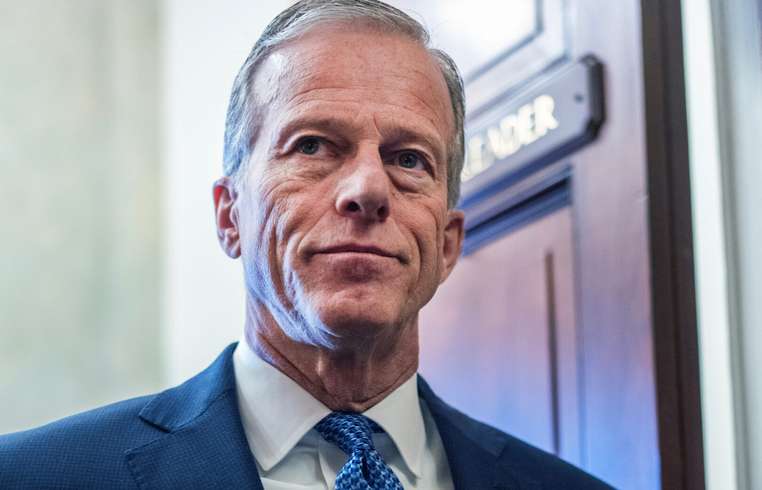
Senate Republican leaders are back to the starting point in their efforts to secure a deal to reopen the Department of Homeland Security after President Donald Trump quickly dismissed a proposed funding strategy on Sunday night. The proposal, led by Senate Majority Leader John Thune, aimed to end the ongoing partial government shutdown by funding Homeland Security, excluding Immigration and Customs Enforcement (ICE), while waiting for bipartisan consensus on immigration enforcement policies. The plan was designed to provide security agencies like the Transportation Security Administration and the Federal Emergency Management Agency with full-year funding. However, ICE and Customs and Border Protection were set to receive attention in a later bipartisan agreement. This suggestion, first reported by Punchbowl News, included a mechanism for Republicans to pass ICE funding through a reconciliation bill, possibly bypassing Democratic demands for comprehensive immigration policy reform. Amidst increasing airport wait times and high TSA absentee rates, Thune proposed reaching a bipartisan solution. Houston's main airports reported the highest absentee rates, exacerbating travel delays. Nevertheless, Trump’s outright rejection, expressed through a vehement Truth Social post, called for coupling the DHS deal with his controversial 'SAVE AMERICA ACT'. This voter ID bill would impose strict identification requirements for voter registration and include policies targeting mail-in voting and transgender rights, which Democrats staunchly oppose, citing potential disenfranchisement. Trump's firm stance against Thune's proposal highlights ongoing divisions over immigration and voter legislation within the parties. Frustrated by this setback, lawmakers now face the challenge of devising a new strategy to overcome the deadlock. Senator Susan Collins mentioned pending responses from Democrats, who sought additional time to formulate a counteroffer for more fruitful negotiations, scheduled for Monday. The government's ability to reopen hinges on resolving these debates. As shutdown tensions rise, both parties will need to carefully navigate these politically charged issues to find common ground.
About usyoo

Categories
Tags