News - Massive cocaine bust highlights Puerto Rico's role in drug trafficking
Business Strategy
Massive cocaine bust highlights Puerto Rico's role in drug trafficking
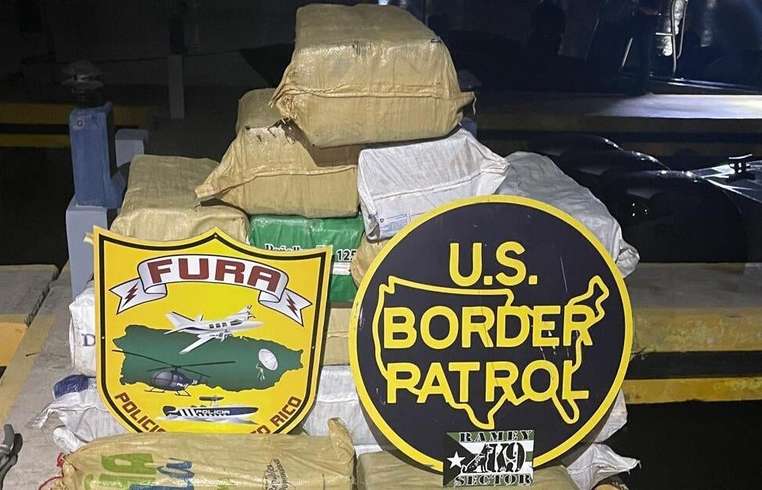
In a major anti-narcotic operation, Puerto Rican authorities intercepted a smuggling boat carrying an estimated $12 million worth of cocaine off the island's northern coast. The 26-foot vessel, devoid of any identification, was spotted in the waters off Río Grande. In a dramatic chase, law enforcement successfully apprehended three suspects and seized over 1,800 pounds of cocaine from the boat. The case has now been transferred to federal authorities, underlining the jurisdiction's ongoing battle with drug smuggling. This operation marks one of the largest drug seizures in recent years within Puerto Rican waters— a notorious transit point for narcotics intended for the U.S. mainland and European markets. The territory's geographical position makes it a strategic access point for traffickers, prompting increased vigilance from local and federal agencies. The bust is not an isolated incident; it forms part of a worrying pattern of large-scale drug interdictions. Just this February, U.S. Customs and Border Protection (CBP) officials seized approximately 214 pounds of cocaine valued at $1.7 million from a cargo ship docking in San Juan. Earlier, in January, a coordinated effort between CBP agents and the U.S. Coast Guard resulted in the confiscation of nearly 780 pounds of cocaine worth over $5 million found adrift in Caribbean waters. In the latter part of the previous year, CBP agents in San Juan intercepted nearly 1,000 pounds of cocaine concealed within a cargo trailer. These strings of successful operations underscore the concerted efforts by authorities to stem the tide of illegal drugs flowing through the region. However, they also highlight the persistent challenges faced by law enforcement in disrupting the complex networks of drug cartels leveraging Puerto Rico as a pivotal transit hub.
About usyoo

Categories
Tags