News - JD Vance: Potential Underdog in the 2028 Primaries
Business Strategy
JD Vance: Potential Underdog in the 2028 Primaries
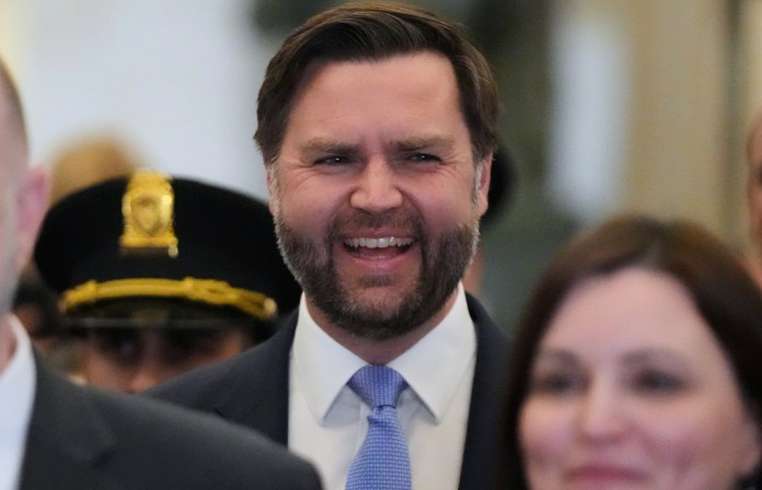
As the political landscape grows ever more complex, JD Vance finds himself under increased scrutiny. Every awkward donor meeting or offhand joke that misses its mark, every controversial comment from a podcast that goes unopposed, gains heightened attention in the media. Yet, the geological shifts in global and domestic policies may turn the tide in his favor, or against him. The ongoing conflict with Iran has cast a shadow over Republican prospects, altering their strategic calculus for upcoming elections. While uncertainty pervades, President Donald Trump's unpredictable moves continue to shape GOP dynamics. For the 2028 primaries, Trump's sway remains substantial, setting the stage for a battle where Vance's family commitments may be a deciding factor in his political trajectory. Recalling a familial negotiation over his role as vice president, Vance humorously recounted a personal anecdote during a speech in Michigan, highlighting his apparent knack for persuasion. He stands as the current vice president, despite falls in prediction markets. Vance's positions, both as vice president and as finance chairman of the Republican National Committee, grant him unparalleled access to donor networks and vital resources. Public opinion favors Vance as a lead contender. A heavy favorite with a commanding lead over Marco Rubio by a sizeable margin in RealClearPolitics polls, which parallels Trump's dominance over Florida Governor Ron DeSantis during mid-2023. Other surveys, such as those by Daily Mail and Emerson College, depict Vance crossing the 50% threshold nationally, reinforcing his frontrunner status. Rubio himself stated strong support for Vance's hypothetical presidential run. Trump's son and avid supporter, Donald Trump Jr., has publicly vouched for Vance, claiming significant political capital was expended to ensure Vance's vice-presidential candidacy in 2024. This relationship suggests deeper support networks within the GOP for Vance. The argument holds firm that Vance's strength might be underestimated by the polls. Should economic recovery flourish or global tensions diminish, the wind will likely blow in favor of Vance's candidacy; however, should these challenges persist, potential rivals in the Republican leadership also face formidable obstacles. Even as the Iran conflict necessitates strategic separation from Trump's policies, such maneuvering has reinforced Vance's abilities as a statesman. While risky, distancing himself from potentially unpopular decisions without breaking ranks will define his political legacy. If the Iranian crisis continues to dominate the political agenda by 2028, both Vance and Rubio face uncertain challenges, and alternatives outside the current administration may emerge as viable for the Republican crown. Ultimately, whether Vance's rise is stymied by scandal or shifting allegiances remains a fundamental question. Historical context reminds us that Vance, originally met with skepticism upon his VP bid with Trump, surpassed expectations on major public stages. Astute performance in debates and media skirmishes has built Vance's reputation, often complemented by unconventional endorsements, such as an unexpected nod from rapper Nicki Minaj. These lessons drawn from political and media chessboards advise observers to temper assumptions about Vance's prospects. While future election cycles hold myriad uncertainties, JD Vance's influence should neither be underestimated nor casually dismissed.
About usyoo

Categories
Tags