
News - Global Tensions Rise: Oil Prices Spike Amid Strategic Military Maneuvers
Business Strategy
Global Tensions Rise: Oil Prices Spike Amid Strategic Military Maneuvers
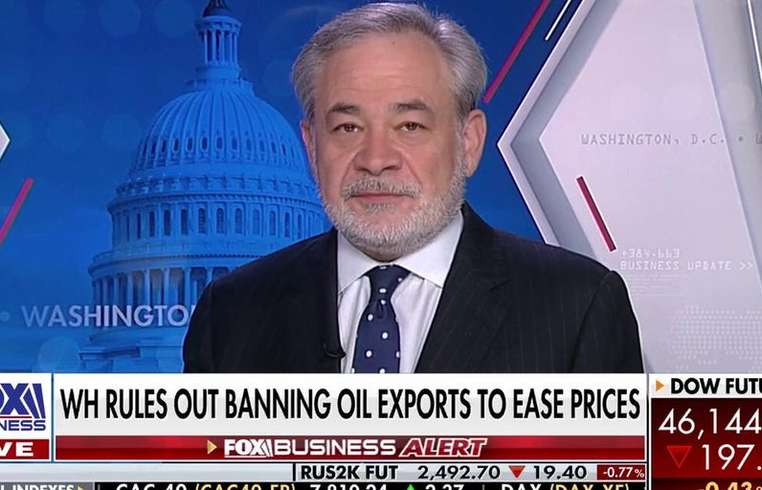
Oil prices have experienced a significant surge as the United States and its allies mobilize naval forces in response to perceived threats from Iran in the globally strategic Strait of Hormuz. This vital chokepoint, through which a substantial fraction of the world's crude oil flows, has become a flashpoint for geopolitical tensions, with potential ramifications for global energy markets. The recent developments have prompted a flurry of diplomatic and military activity as nations aim to protect the free flow of commerce and deter any escalation of hostilities. Former U.S. Energy Secretary Dan Brouillette appeared on ‘Mornings with Maria’ to provide insight into the unfolding situation. He analyzed the multifaceted reasons behind the recent spike in oil prices, linking them to the complex relationship between national security and energy economics. Brouillette discussed the impact of the Trump administration's strategies on global oil markets and the possible implications for United States and international responses to Iran's provocative posturing in Middle Eastern waters. The former Secretary outlined potential U.S. measures designed to counteract Iran's threat and ensure security within the Strait. These include reinforcing diplomatic engagements, increasing naval patrols, and coordinating closely with regional partners. Such efforts aim to present a united front in deterring any actions that could destabilize this essential shipping route. As global markets react to the rising tensions, energy analysts are observing the situation closely. The volatility in oil prices serves as a reminder of how geopolitical dynamics can swiftly influence economic conditions, forcing governments and industries alike to adapt to an ever-changing landscape. The unfolding scenario underscores the critical nature of international diplomacy and defense collaborations in maintaining the stability of essential global trade routes.
About usyoo

Categories
Tags