News - Triad Allegedly Behind Billion-Dollar AI Tech Smuggling Scandal
Business Strategy
Triad Allegedly Behind Billion-Dollar AI Tech Smuggling Scandal
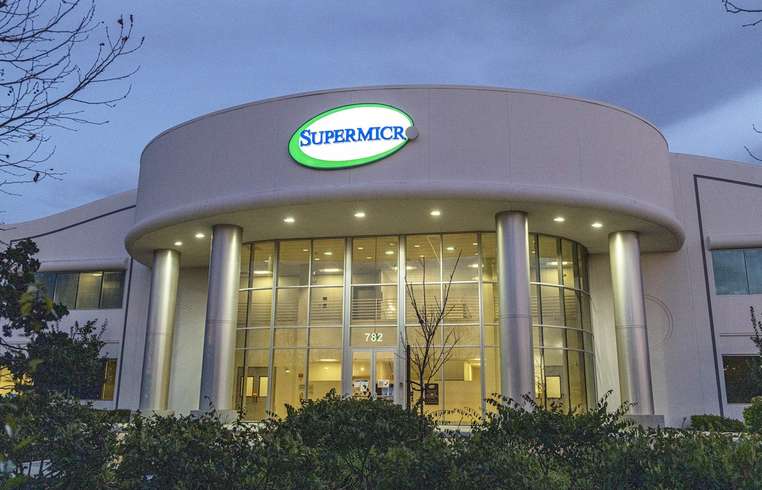
In a high-profile legal escalation, U.S. authorities have cracked down on a sophisticated smuggling ring that reportedly funneled U.S. artificial intelligence technology worth $2.5 billion into China. Three men, all connected to the San Jose-based company Super Micro Computer Inc., are at the heart of this covert conspiracy. The accused allegedly manipulated official documentation, established shell corporations, and employed counterfeit equipment to conceal their operations. The high-stakes operation reportedly relocated an astonishing $510 million worth of AI servers to China in a matter of weeks during 2025. Yih-Shyan Liaw, a 71-year-old U.S. citizen, and 44-year-old Ting-Wei Sun from Taiwan were captured by authorities, while a third suspect, Ruei-Tsang Chang, age 53, continues to evade arrest. According to Assistant Attorney General John A. Eisenberg, the intricate smuggling operation involved the use of fraudulent documents, dummy servers, and elaborate transshipment methods. These were methods employed to bypass stringent U.S. export regulations and disguise the final destination as China. Supermicro clarified in their Thursday statement that although three individuals associated with them are indicted, the company as a whole is not charged. The implicated individuals held positions of significant authority: Liaw was a senior vice president and board member, Chang worked as a sales manager in Taiwan, and Sun held a contractor role. As per Supermicro's internal policy adherence, the duo have been relieved of their duties and the contractor dismissed. "The actions outlined in the indictment we consider in direct contradiction to our export control compliance policies," stated Supermicro. Reports further unveil that Liaw and Chang supposedly instructed a Southeast Asian company to mislead a U.S. manufacturer about the end-use of servers equipped with advanced GPUs. These servers, while initially assembled in the U.S., were rerouted through Taiwan where deceptive practices camouflaged their actual destination—China. Federal prosecutor Jay Clayton from the Southern District of New York lambasted the defendants, accusing them of orchestrating a systematic deception. "Their treasure trove of deceit led to massive illegal sales and revenue streams contrary to U.S. national security interests," he stated. The incident raises concerns around international tech and security, a sentiment echoed by Roman Rozhavsky from the FBI's Counterintelligence Division. "It's vital to our homeland security to control the export of sensitive AI technologies," he confirmed. The indictment accuses the ring of conspicuously duplicating thousands of dummy servers, deceptive replicas aimed at misleading compliance audits. Surveillance footage reportedly captured these orchestrations. They employed heated tools to modify labeling and serial tags to mislead inspectors. The U.S. government has charged these individuals with multiple counts of conspiracy, including attempting to violate the Export Control Reform Act, which bears a maximum penalty of 20 years, and additional charges for smuggling and defrauding the state, carrying sentences of up to five years.
About usyoo

Categories
Tags