

News - Developers Surprised by Nvidia's DLSS 5 Announcement
Business Strategy
Developers Surprised by Nvidia's DLSS 5 Announcement
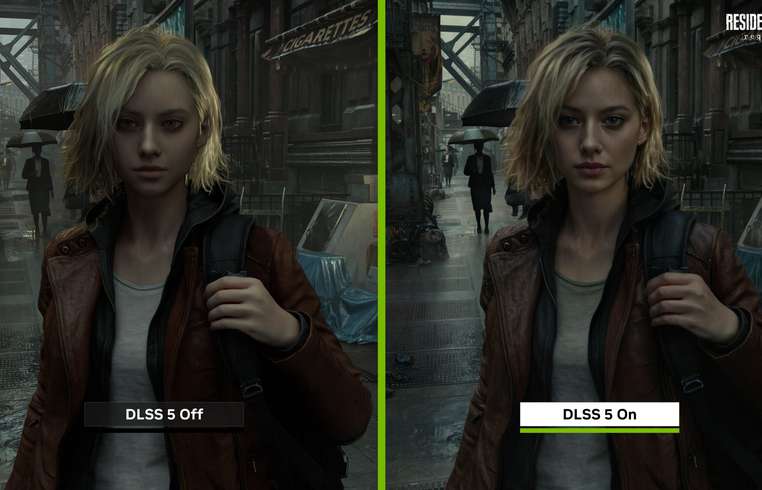
Recent reports reveal that many game developers and artists were unaware of Nvidia's plans to showcase DLSS 5, with some discovering the technology alongside the general public. This revelation has stirred conversations within the industry, particularly among developers from major studios like Capcom and Ubisoft. Capcom, known for its cautious approach towards AI in gaming, was reportedly surprised by its involvement in the technology demonstration. During the Nvidia showcase, the inclusion of Capcom's upcoming release, 'Resident Evil Requiem', as an example of DLSS 5 application raised eyebrows. Despite official statements claiming collaboration with Capcom's team, internal sources suggest that decisions were made without some developers' prior knowledge. The technology, celebrated by Nvidia as a leap towards photorealistic graphics, has been met with both intrigue and criticism. Notable industry figures have voiced concerns over DLSS 5's impact on artistic integrity, suggesting that its AI-driven enhancements could lead to changes in character aesthetics that feel uncomfortably artificial. As Nvidia CEO Jensen Huang emphasized the creative autonomy DLSS 5 offers developers, some skeptics remain unconvinced. The controversy highlights a broader debate about the role of AI in gaming, with Nvidia asserting that DLSS 5 bridges the gap between traditional rendering and cutting-edge Hollywood effects. Meanwhile, critics argue that such technologies risk overshadowing original artistic expression. Nvidia defends DLSS 5 as a tool that grants detailed artistic control, noting features like intensity adjustments, color grading, and selective masking. For now, DLSS 5 doesn't have a set release date but is expected to roll out to GeForce RTX 50-series GPU users within the year. As the gaming world anticipates its arrival, the conversation around AI in gaming continues to evolve, shaping the future of game development.
About usyoo

Categories
Tags