
News - Next-Gen Consoles On Track Despite Memory Shortages, Affirms Take-Two CEO
Business Strategy
Next-Gen Consoles On Track Despite Memory Shortages, Affirms Take-Two CEO
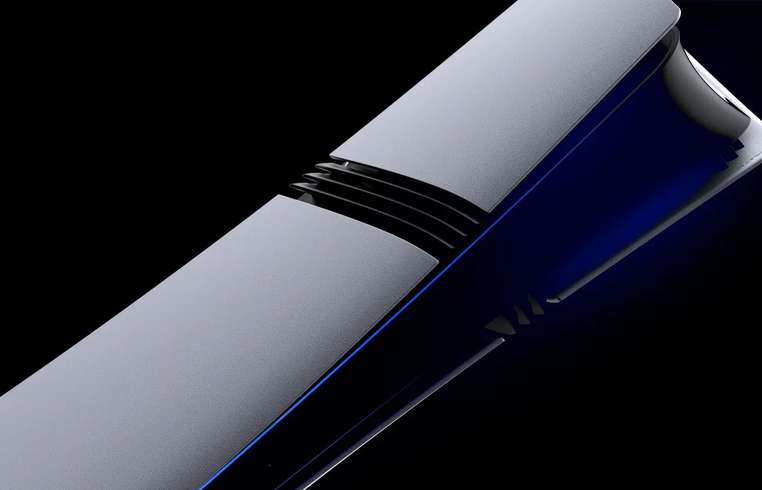
The global memory shortages have sparked concerns about potential delays for next-generation consoles like the PS6 and Microsoft's Project Helix. Despite the surging RAM prices, Strauss Zelnick, CEO of Take-Two Interactive, remains optimistic that these issues will not impede the scheduled release to market. During a discussion with The Game Business, Zelnick emphasized that the anticipated rollout of these cutting-edge consoles remains unchanged. Early speculations suggested that Sony and Microsoft were targeting a 2027 release for their new systems. However, the memory crisis has spun broader industry conversations about shifting timelines. Tom Henderson from Insider Gaming reported earlier this year about internal high-stakes discussions at both companies, weighing the impact of the inadequacies in RAM supply. Additional analyses indicated a potential extension of the PS5 era, with financial experts like MST Financial's David Gibson attributing this to volatility in RAM pricing. Newer insights from industry authority KeplerL2 indicate resilience in Sony and Microsoft's plans, reassuringly in line with commentary from popular YouTuber Moore's Law is Dead. The primary concern now revolves around logistical hurdles rather than supply costs, persuading decision-makers to adhere to original timelines. Dismantling or delaying until beyond 2028 could incur financial repercussions significantly worse than addressing the current cost inflations. The forecast for memory market stabilization is promising, with expectations of notable improvements in the landscape by 2026 and continuing into 2027. Consequently, timing for PS6 production is likely to align with these trends, entering manufacturing just as crucial decisions solidify at early 2027. The technical path for both the PS6 and Microsoft's Project Helix involves advanced AMD chipsets—the PS6 with chip codenamed Orion and Project Helix with Magnus. Despite Project Helix's marginal paper advantage, underscored by a 26 percent increase in compute units compared to the PS6, practical gaming experiences are not projected to diverge significantly. Historical benchmarks from the Xbox Series X and PS5, with their similar unit disparities, showed little tangible performance differences to the average gamer.
About usyoo

Categories
Tags