News - Veterans Affairs Given Authority in Guardianship Decisions
Business Strategy
Veterans Affairs Given Authority in Guardianship Decisions
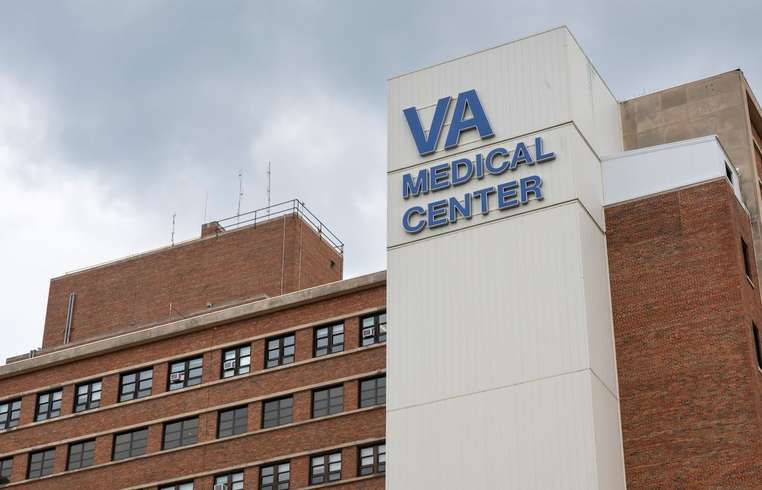
In a significant development, the Department of Veterans Affairs (VA) has been granted the legal authority to seek guardianship for veterans who are unable to make their own healthcare decisions. This is initiated through a memorandum of understanding with the Justice Department. Under this agreement, VA attorneys are authorized to start guardianship or conservatorship proceedings through state courts for veterans who lack family or legal representation. This measure aims to streamline the transition process for approximately 700 veterans currently hospitalized at VA facilities, facilitating their move to appropriate care settings. Stressing the importance of this initiative, VA Secretary Doug Collins declared the partnership with the Justice Department as a commitment to providing timely and appropriate care for veterans. However, the plan has its critics. Concerns have been raised by advocacy groups and lawmakers who argue that the expanded authority might infringe on the civil liberties of a broader group of veterans, including those who are homeless or at risk of homelessness. Notably, Carl Blake, CEO of Paralyzed Veterans of America, pointed to the potential drawbacks of court-ordered guardianships, noting the impact such measures could have on a veteran's autonomy and civil liberties. Blake posed critical questions regarding past measures taken by the VA for incapacitated veterans and whether those affected would have access to independent legal representation funded by the VA if needed. The VA has stated that any guardianship will be sought with due-process rights, with continuous oversight from the state court that appoints the guardians. Despite these assurances, stakeholders like California Representative Mark Takano have expressed caution, affirming that such measures should be a last resort and raising concerns about the potential curtailment of veterans' rights. Kasperowicz, VA Press Secretary, clarified that the agreement is not intended to force institutionalization but to aid in the transitions into appropriate care settings for veterans. Yet, concerns have been raised regarding the program's transparency and the guarantees of safeguarding civil liberties. Carl Blake has called for public and independent oversight to ensure the protection of veterans' rights as these policies are implemented.
About usyoo

Categories
Tags