

News - Heat Wave Engulfs Southwest: Unprecedented Temperatures Loom
Business Strategy
Heat Wave Engulfs Southwest: Unprecedented Temperatures Loom
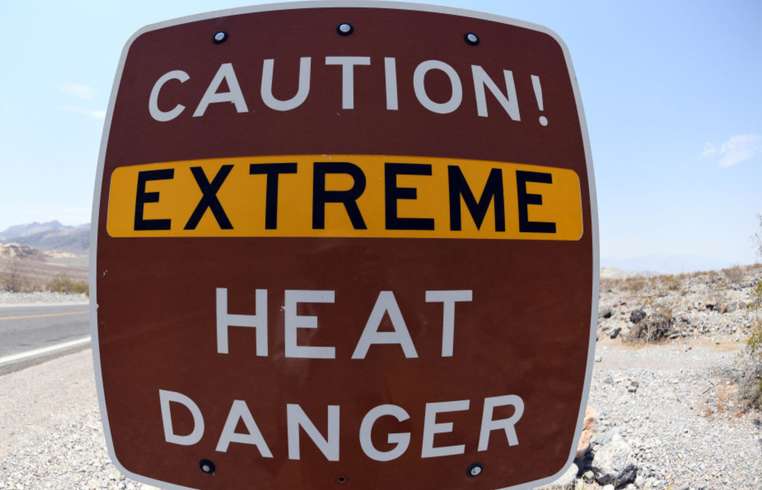
Communities across Arizona and California are preparing for an intense heat wave that has triggered extreme heat warnings and advisories. The National Weather Service (NWS) has informed residents that temperatures could reach up to 30 degrees above their seasonal averages in some areas, posing significant health risks and possibly breaking numerous daily and monthly heat records by Sunday. The states most notably affected include Arizona and California, where dangerously high temperatures are expected to continue through the weekend. The NWS emphasized that residents are unlikely to find relief from the heat anytime soon. On March 18, the Los Angeles NWS office warned that this is just the beginning of a prolonged heat event, advising both residents and visitors to plan accordingly to withstand the oppressive heat. Specific Areas at Risk: In Arizona, areas such as eastern Cochise County, the upper Gila, San Pedro, and Santa Cruz River Valley may experience temperatures reaching 95 F from Thursday to Sunday, with peak heat expected on Friday and Saturday. In the Tucson metro area, western Pima and southeastern Pinal counties, along with the Tohono O'odham Nation, temperatures could rise to 108 F. The lower stretches of the Grand Canyon and Yavapai County could see temperatures climbing to 104 F. Warnings have been issued for hikers on the Bright Angel Trail, advising them not to venture beyond 1.5 miles from the trailhead and to avoid the canyon during the peak heat, including locations such as Havasupai gardens and the Bright Angel campgrounds. Several cities, including Apache Junction, Gold Canyon, and Scottsdale, are under a 'major heat risk' advisory, with forecasts indicating highs of 107 F. Key regions such as south-central Arizona and the Phoenix Metro Area may experience temperatures of 109 F. California's Situation: The San Diego county deserts and the Coachella Valley could see temperatures reaching up to 110 F by Saturday night, along with the San Gorgonio Pass near Banning. While cooler overnight conditions, dropping into the low to mid-70s, provide some relief, the overall heat remains a substantial threat. Predictions also indicate persistent heat across southwest California, with temperature ranges from 96 F to 104 F affecting valleys, lower mountains, and coastal areas through Friday night. Preparation and Caution: In light of these forecasts, the NWS advises the public to limit outdoor activities, seek shade during peak sunlight hours, stay well-hydrated, and ensure pets and children are never left unattended in vehicles, which can become fatal in mere minutes due to rapidly rising temperatures.
About usyoo

Categories
Tags