
News - Hiroshima survivor and historian Shigeaki Mori has passed away at the age of 88.
Business Strategy
Hiroshima survivor and historian Shigeaki Mori has passed away at the age of 88.
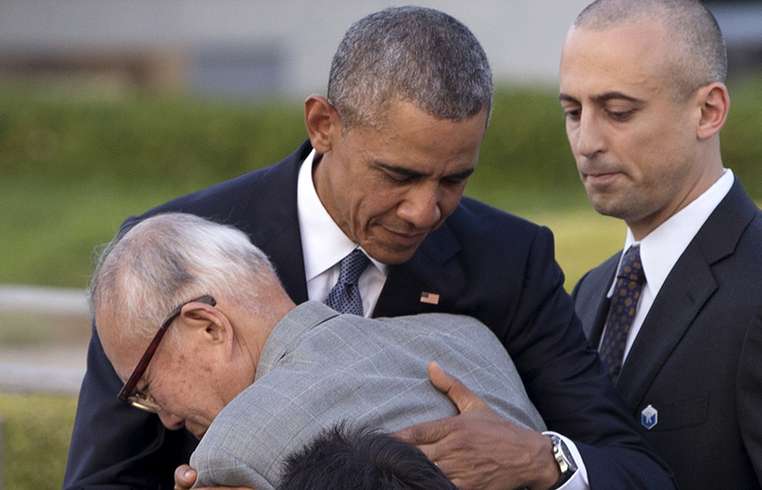
Shigeaki Mori, the Hiroshima atomic bomb survivor and esteemed historian, leaves a legacy of reconciliation and discovery following his death at age 88. Born in 1937, Mori survived the harrowing bombing on August 6, 1945, only 1.5 miles from the epicenter. His relentless pursuit of historical truth revealed that among the tragic casualties were 12 American prisoners of war, unbeknownst to their families. Balancing his career as a company employee, Mori meticulously examined archives and corresponded with the bereaved relatives of these POWs in the United States, who were initially unaware of their loved ones’ fates. The Hiroshima and Nagasaki bombings reshaped global history with staggering loss—overshadowing the tale of the American POWs until Mori's work surfaced their stories. By the end of 1945, Hiroshima's death toll numbered 140,000, compounded by 70,000 more in Nagasaki. Mori chronicled his findings in 'The Secret of the American POWs Killed by the Atomic Bomb', published in Japanese in 2008 and later translated into English, earning the prestigious Kikuchi Kan Prize. His work not only contributed to historical archives but also to emotional healing, prompting U.S. acknowledgment of the captured soldiers’ deaths. A pivotal moment in Mori's life was his 2016 encounter with President Barack Obama during his historic visit to Hiroshima. Obama, the first sitting U.S. president to visit the Peace Memorial Park, recognized Mori's commitment to peace and reconciliation, noting the triumph of humanity in the face of devastating warfare. Their embrace symbolized mutual respect and understanding. Through Mori's dedicated research, the narrative of shared human suffering transcended national borders, reminding us of the ties that bind humanity regardless of past conflicts.
About usyoo

Categories
Tags