News - Pashinyan on Armenia's Lunar Aspirations
Business Strategy
Pashinyan on Armenia's Lunar Aspirations
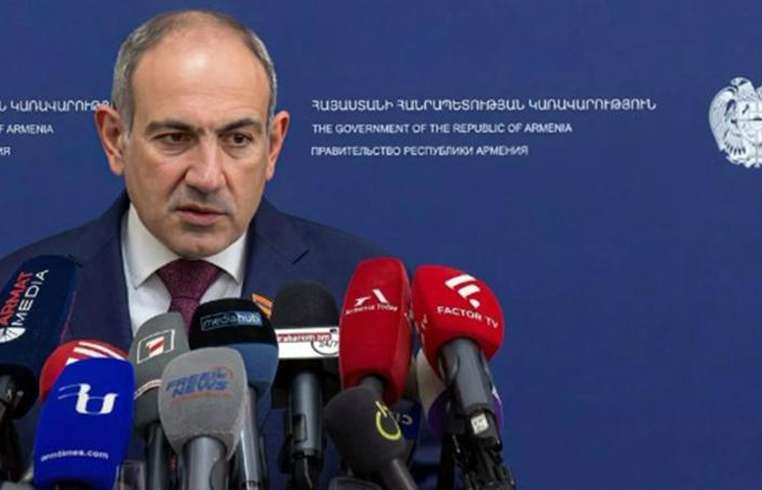
During the Public Sector Innovation Conference, Armenian Prime Minister Nikol Pashinyan clarified that Armenia has no immediate plans to embark on lunar missions due to a lack of scientific resources. He remarked that, akin to the United States' Apollo program which required around 400,000 scientists, Armenia would need a substantial increase in its scientific workforce to even consider such an undertaking. Pashinyan emphasized that the notion of Armenia joining the space race was not dismissed out of disinterest, but rather due to practical limitations in the current scientific and technological landscape. He explained that the country, without the necessary human and technical resources, must prioritize where to focus its development efforts. While acknowledging the allure of joining global lunar exploration efforts, the Prime Minister brought forth a saying to underscore his point: it is not that the journey to the Moon is not wanted, but its challenges make it an impractical goal for Armenia presently. The ambitions of lunar expeditions remain an aspiration; however, it is recognized as "unripe" given the current capabilities and realities faced by the nation. He noted that Armenia's priorities in science and innovation lie elsewhere, focusing on achievable goals that align with its existing expertise and capacity. By channelizing resources into pressing scientific needs, the government aims to foster an environment where future generations could potentially aim beyond terrestrial bounds. Pashinyan's words highlighted the importance of strategic planning in scientific development and the potential Armenia has in advancing its knowledge base. Though lunar travel might be out of reach at present, the Prime Minister remains optimistic about future possibilities should conditions allow for such ambitions, advocating for incremental progress in science and technology as a stepping stone to broader aspirations.
About usyoo

Categories
Tags