News - Energy Efficiency Investments Backfire for Cambridgeshire Homeowners
Business Strategy
Energy Efficiency Investments Backfire for Cambridgeshire Homeowners
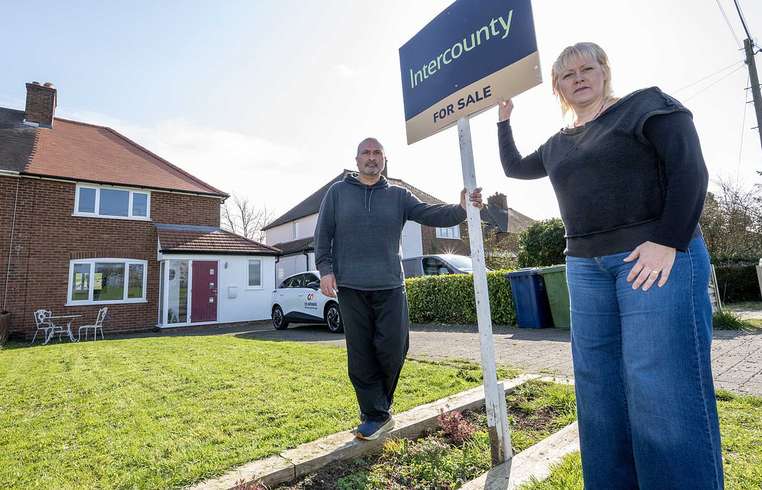
In a surprising development, a couple from Cambridgeshire finds their efforts to make their home more energy-efficient undermined by an unexpected F energy rating. Tori McKillen and Mhinder Mehta invested £40,000 in upgrades such as an electric boiler, double glazing, and zoned heating, yet they now face the obstacle of being unable to sell their property, as most lenders are hesitant to finance homes with such a low energy performance certificate (EPC). Their three-bedroom home, a semi-detached former local authority property built in 1936, should reflect modern energy standards following the couple's extensive upgrades. Disappointed, Ms. McKillen expressed her frustration, noting the EPC system is flawed, particularly as it penalizes electric energy solutions even though the government promotes the adoption of electric vehicles. Beyond their financial setback, McKillen and Mehta faced additional challenges. Their choice to install spray foam insulation, advised by a government-recommended scheme, was met with resistance from mortgage lenders. This resulted in costly remedial efforts to remove the insulation and re-roof the property. Ms. McKillen sees irony in the EPC’s recommendation to invest tens of thousands more in solar panels and a wind turbine just to reach the E rating necessary for sale. Meanwhile, consumer advocates and influential voices, like the campaign group Which?, are calling for significant EPC reform, pointing out the system's unreliability. The couple’s situation has attracted attention from the government, with their local MP, Pippa Heylings, raising questions about potential EPC reforms to authorities, highlighting inconsistencies with broader green energy policies. The debate intensifies as the government signals future requirements for landlords to achieve an EPC C rating by 2030. The Climate Change Committee’s 2021 advice for UK homes to achieve at least a C rating adds urgency to the reform discussions, with millions of properties still below the required standard. The case of McKillen and Mehta serves as a cautionary tale for homeowners navigating the complex intersection of energy efficiency advancements and regulatory frameworks.
About usyoo

Categories
Tags