News - Federal charges against a veteran who was involved in burning a flag have been dismissed.
Business Strategy
Federal charges against a veteran who was involved in burning a flag have been dismissed.
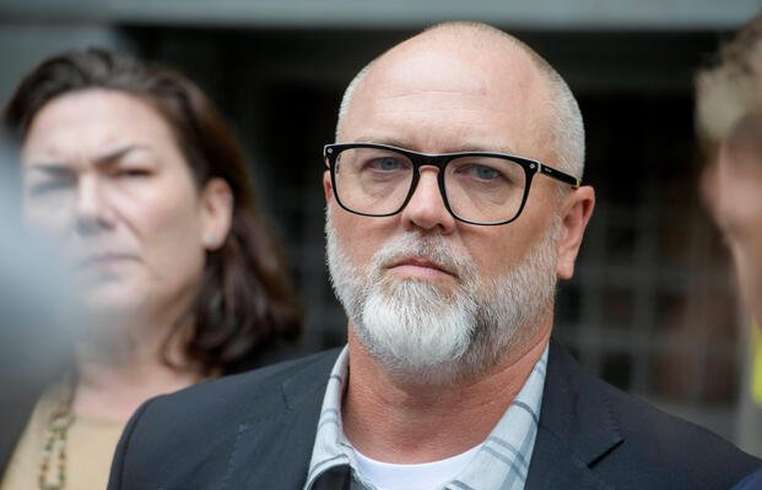
In a significant move by the Justice Department, charges have been dropped against Jay Carey, an Army veteran from Arden, North Carolina, who was arrested last year after setting fire to an American flag near the White House. This act was a protest against President Donald Trump's executive order targeting flag burners. Carey, who served in the Army from 1989 to 2012 and was deployed to Iraq and Afghanistan, was taken into custody in Lafayette Park on August 25, coinciding with Trump's signing of an order for the DOJ to investigate and prosecute those who burn the American flag. Notably, Carey was not charged for flag burning directly but for misdemeanors pertaining to lighting a fire in an undesignated area and causing potential damage to property or park resources. He had pleaded not guilty. Despite the absence of detailed reasoning in the filing, the Justice Department's decision highlights the ongoing legal and constitutional debate surrounding flag burning. The Supreme Court has previously upheld flag burning as protected speech under the First Amendment, although Trump's executive action argued it could be prosecutable if it posed an imminent threat or equated to 'fighting words.' In a statement provided by the Partnership for Civil Justice Fund, Carey asserted his protest aimed to uphold First Amendment rights. 'I was targeted for federal prosecution because of that,' Carey remarked, noting the broader implications for constitutional freedoms. Mara Verheyden-Hilliard, Carey's attorney, criticized the initial prosecution as an attack on expressive conduct driven by executive influence. She emphasized that the dismissal marks a significant moment in defending First Amendment rights, setting a precedent for future cases against potentially vindictive prosecutions. This development is seen as a victory for those advocating for constitutional rights and could influence similar cases across the nation, raising awareness about the importance of protecting freedom of expression.
About usyoo

Categories
Tags