News - Pitt faces an uphill battle with retaining Capel amid financial strain
Business Strategy
Pitt faces an uphill battle with retaining Capel amid financial strain
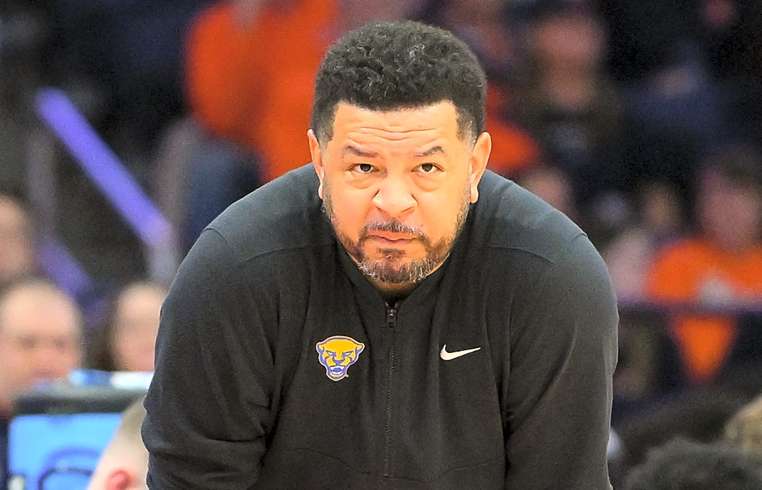
The University of Pittsburgh's decision to retain head basketball coach Jeff Capel amid financial constraints reflects broader challenges within its athletic program. The costly 'Victory Heights' project, originally aimed at enhancing facilities for Olympic sports, has placed a substantial financial burden on Pitt Athletics. The project failed to secure the expected external funding, leading to a cash shortfall, which now limits the university's ability to make significant changes in its basketball coaching staff. Navigating these financial waters has proven challenging, especially when juxtaposed against the program's former glory. The 2002 to 2016 period marked an era of great success for Pitt basketball under coaches Ben Howland and Jamie Dixon, culminating in multiple NCAA tournament appearances, including a memorable run to the Elite Eight in 2009. However, the program has since been mired in mediocrity, with only one NCAA appearance since the 2015-16 season and minimal presence in the Associated Press' rankings. Without the means for a high-profile coaching overhaul, Pitt finds itself in a bind. The decision to retain Capel, who has a career record of 127-127 and a conference record of 60-92 since 2018, is not just a reflection on his performance, but a strategic move given current financial realities. Pitt must now focus on leveraging whatever resources are available to reinvigorate its basketball program and recapture the public's enthusiasm. Athletic Director Heather Lyke stated the importance of improvement: "We recognize that our potential success hinges on strategic decisions and meaningful changes. Jeff [Capel] and I are committed to reviewing all facets of the program to ensure positive momentum moving forward." This development places tremendous pressure on Capel and Pitt Athletics administration to deliver results and reshape the trajectory of Pitt basketball despite the existing fiscal challenges.
About usyoo

Categories
Tags