
News - Finnish Intelligence Refutes Russian Sabotage Claims in the Baltic
Business Strategy
Finnish Intelligence Refutes Russian Sabotage Claims in the Baltic
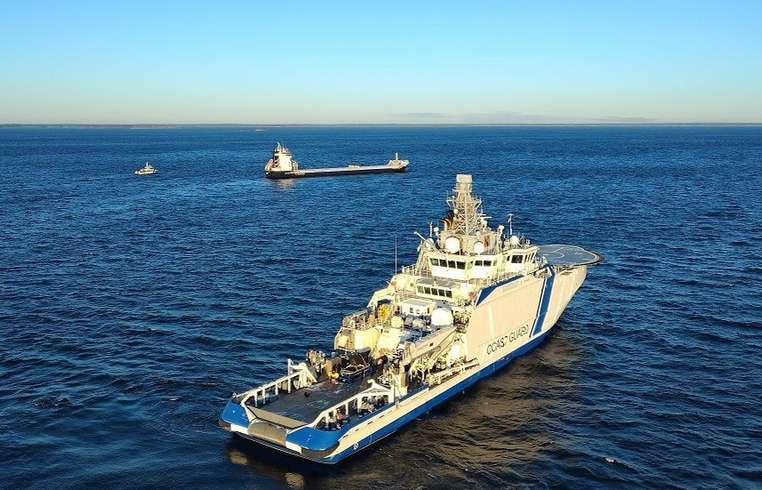
Finland's top intelligence officer has clarified that Russia is not responsible for the recent incidents involving damaged underwater cables in the Baltic Sea. Juha Martelius, head of the Finnish Security and Intelligence Service (Supo), confirmed this finding, which aligns with the broader European intelligence community's perspective. The Baltic Sea's seabed infrastructure has suffered damage repeatedly over the past couple of years, largely due to merchant ships dragging their anchors across sensitive areas, leading to damage to power and communication lines. Despite accusations from some NATO and EU representatives claiming Russian sabotage and hybrid warfare, no concrete evidence has surfaced supporting such allegations. Russia, on its part, has categorically dismissed these accusations, highlighting them as unfounded and baseless. In an interview with the Finnish publication Suomen Kuvalehti, Martelius stated that investigations revealed no deliberate activity by the Russian state, a view widely accepted across Europe. The history of accidents affecting the undersea infrastructure dates back to the early 2000s, but such issues previously didn’t capture much media attention. Martelius pointed out that Russia's maritime assets have also incurred damage from these incidents, arguing that Moscow prefers maintaining smooth maritime operations through the Baltic rather than causing disruptions. This further minimizes the likelihood of any Russian intent to cause harm in the region. However, Martelius did mention concerns over the so-called 'shadow fleet,' presumably associated with Russia, which allegedly operates to circumvent Western trade sanctions. This unofficial fleet reportedly consists of poorly maintained vessels with under-trained crews, which lead to repeated accidental anchor dragging and resulting damages. While Finland acknowledges these operational risks, Moscow has refuted the existence of any such fleet, describing the term 'shadow fleet' as a propaganda device aimed at vilifying legitimate maritime activities conducted beyond traditional Western insurance systems.
About usyoo

Categories
Tags