News - Human Rights Group Denounces Increase in Deadly Drone Strikes in Haiti
Business Strategy
Human Rights Group Denounces Increase in Deadly Drone Strikes in Haiti
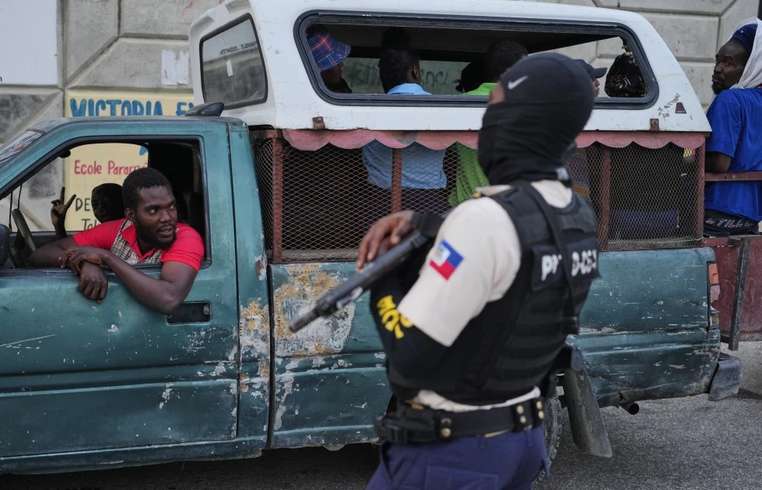
Human Rights Watch has raised serious concerns over the increasing use of drones by Haitian security forces and private contractors, which have resulted in the deaths of at least 1,243 individuals, including 60 civilians, from March 2025 to January 2026. These drone attacks have predominantly occurred in Port-au-Prince, where gang violence remains a significant challenge. Of the 738 injuries reported, at least 49 are believed to involve civilians. The organization has called for Haitian authorities to curb these operations to prevent further loss of innocent lives. Notably, one of the deadliest strikes resulted in 57 casualties, with children among the victims. Eyewitnesses describe harrowing scenes, such as an attack in the gang-controlled neighborhood of Simon Pele in September 2025, where a drone disrupted a local leader's charity event for children, tragically killing or maiming several minors. Widespread fear and trauma ripple through communities already suffering from gang control and violence. This indiscriminate use of force has drawn criticism from international observers, including the U.N. human rights chief, who labeled the actions as disproportionate and possibly unlawful under international standards. The U.N.-backed mission, currently supported by Kenyan police, faces challenges due to a lack of funding and personnel. Moreover, Human Rights Watch's analysis of video evidence suggests that drones are being deployed against individuals who do not pose an immediate threat, signaling a dangerous trend of extrajudicial killings. The global community, particularly human rights advocates, stresses the importance of transparent investigations and accountability for these operations, ensuring reparations for victims’ families where violations are evident. In response to the gang crisis, Haiti has launched a special task force, unofficially operating outside the national police’s oversight, which has further compounded the issues with its aggressive tactics. Meanwhile, firms like Vectus Global, associated with former military personnel, are increasing their presence as part of Haiti’s controversial strategy to restore order. As Haiti grapples with this complex situation, calls for reforms, international support, and adherence to human rights obligations grow louder, challenging Haitian authorities to find a sustainable and lawful approach to security.
About usyoo

Categories
Tags