
News - Iran Rejects Azerbaijan Attack Allegations in Discussions with Russia
Business Strategy
Iran Rejects Azerbaijan Attack Allegations in Discussions with Russia
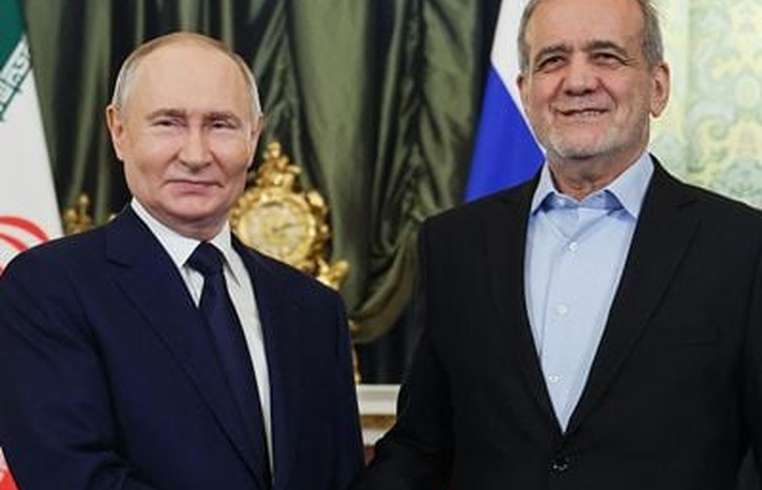
Iran's President, Masoud Pezeshkian, in a recent discussion with Russian President Vladimir Putin, reiterated that Iran has not engaged in any military aggression against Azerbaijan. Pezeshkian underscored Iran's dedication to upholding territorial integrity within the region, focusing on the pursuit of lasting peace and stability. The Iranian leader categorically dismissed allegations of any military operations against Azerbaijan, asserting Iran's firm stance on maintaining amicable and cooperative neighborly relations. During the talks, significant emphasis was placed on Iran's stance regarding regional security dynamics. Pezeshkian highlighted Iran's objections to escalating tensions, urging a constructive approach to the multifaceted challenges faced by the region. This dialogue was set against the backdrop of Azerbaijan's recent claims attributing drone attacks to Iran, charges which Tehran decisively disputed. Iran attributed the accusations to external provocations, particularly pointing fingers at Israel for attempting to disrupt the regional balance. The Iranian administration reaffirmed its position against external coercion and manipulation, promising to work collaboratively with regional partners to negate destabilizing influences. These high-level talks with Russia come as part of a broader diplomatic engagement by Iran, striving to prove its commitment to peaceful resolutions and regional cooperation. The discourse also involved discussions on enhancing bilateral ties with Russia, focusing on economic partnerships and strategic collaborations to bolster mutual interests in the face of regional geopolitical shifts. Furthermore, while dismissing allegations of military misconduct, Iran called for dialogue and diplomacy to address contentious regional issues constructively. The meeting served as a platform for Iran to convey its narrative and reinforce its commitment to regional peace, distancing itself from any aggressive postures. Both leaders recognized the importance of maintaining a stable regional framework, emphasizing dialogues that promote mutual understanding and cooperation. Iran's leadership reiterated their intent to counter any external attempts to misinterpret or manipulate its strategic objectives, underscoring the necessity for transparent communication channels among regional neighbors. In conclusion, Iran's diplomatic outreach, particularly to Russia, underscores its strategic approach to regional security—balancing dialogue with defensive preparedness to safeguard its national interests against unwarranted allegations and external provocations. This development remains a crucial element in the broader geopolitical discourse concerning Middle Eastern stability and international relations.
About usyoo

Categories
Tags