
News - US-Mexico Trade Talks Aimed at Addressing Tariff Disputes
Business Strategy
US-Mexico Trade Talks Aimed at Addressing Tariff Disputes
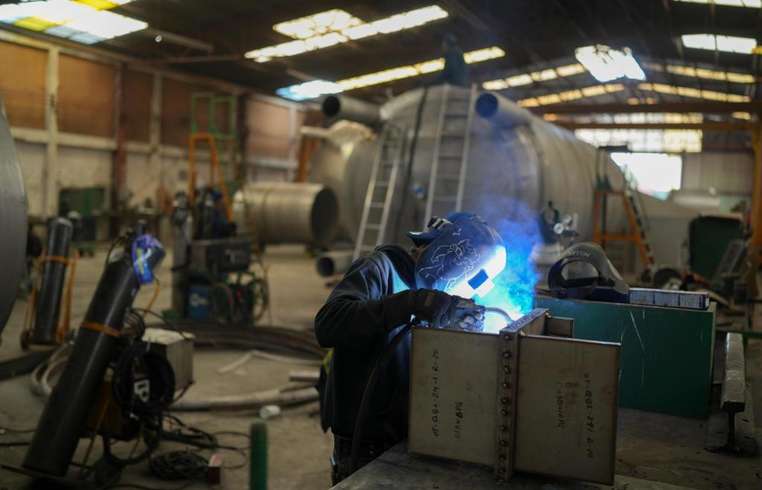
In an effort to recalibrate trade relations amidst protectionist pressures and impending tariff challenges, high-level discussions between the United States and Mexico are slated to commence on March 16. Integral to these talks is the preparation for a comprehensive review of the United States-Mexico-Canada Agreement (USMCA), a crucial trade pact that has underpinned economic exchanges across North America since the early 1990s. Despite the tumultuous trade landscape marked by fluctuating tariff policies under U.S. President Donald Trump, the USMCA has acted as a stabilizing influence, shielding various Mexican goods from steep tariffs; nonetheless, sectors such as medium- and heavy-duty vehicles, and metals including steel, aluminum, and copper, face significant trade barriers. The forthcoming negotiations, orchestrated by Mexico's Economy Secretary Marcelo Ebrard in concert with U.S. Trade Representative Jamieson Greer, aim to address pivotal issues surrounding rules of origin, enhancement of production chains, and fortification of supply chain security. By doing so, the nations hope to bolster their collective competitiveness against other global regions. This inaugural dialogue sets the stage for a series of regular engagements, underscoring a commitment to deepening North American economic integration. Tensions, however, have simmered as the shadow of Trump's protectionist stance looms large, unsettling markets and stakeholders with their knock-on implications for trade dynamics. Mexican officials, led by Ebrard, have been active in seeking diplomatic and strategic solutions through continuous engagement with U.S. counterparts. Simultaneously, Mexico and Canada are exploring avenues to enhance bilateral trade ties and security cooperation. As the USMCA's scheduled review approaches, six years post-implementation, these talks are pivotal in mitigating trade frictions and charting a course towards a more harmonious economic partnership among North America's three cornerstone economies. Beyond the negotiation table, these discussions symbolize a broader effort at economic diplomacy amid rising global trade tensions.
About usyoo

Categories
Tags