
News - Veterans Disability Reform Faces Major Legislative Push
Business Strategy
Veterans Disability Reform Faces Major Legislative Push
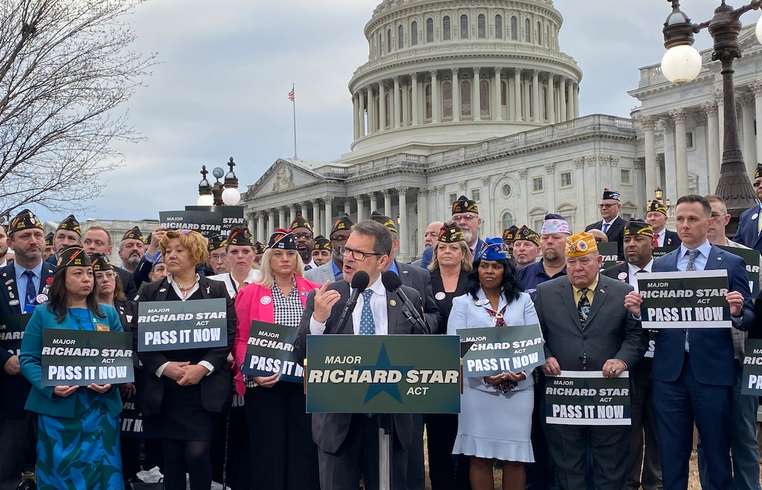
In a renewed effort, lawmakers from both houses of Congress, backed by leading veterans organizations, are pushing for the passage of the Major Richard Star Act by 2026. This proposed legislation aims to allow 54,000 wounded veterans to concurrently receive both military retirement pay and Veterans Affairs (VA) disability compensation without the payments offsetting each other. The push has garnered momentum as prominent groups like Disabled American Veterans and the Veterans of Foreign Wars have mobilized to advocate for the bill, which has been a priority for them since it was introduced in 2020. However, concerns over the financial implications—recently re-estimated at $70 billion from an initial $9.75 billion—have impeded its progress. Senate Veterans Affairs Committee leaders, including Republican Sen. Jerry Moran of Kansas and Democrat Sen. Richard Blumenthal from Connecticut, have openly supported the bill. Blumenthal urged the Senate to expedite the process by moving the bill directly to a vote, arguing that America's financial priorities are misaligned if it cannot support its combat-injured veterans. “It’s not a question of whether we can afford it, but whether we have the will to do what is right,” Blumenthal emphasized on the Senate floor. Despite bipartisan backing from an impressive 77 senators and 316 representatives, the bill has consistently stalled due to cost concerns in both Democrat- and Republican-led Congresses. Advocates previously proposed alternative funding strategies—such as reallocating savings from canceled government contracts; however, these suggestions have yet to gain traction. This year, Carol Whitmore, VFW Commander-in-Chief, proposed tapping into the substantial $1.7 trillion Military Retirement Fund as a feasible funding solution. She argued that resolving the offset issue should not compromise defense budget priorities like readiness or national security. Nevertheless, there remains opposition, notably from figures like Sen. Ron Johnson of Wisconsin, who insists on weighing the bill's financial impact against national debt considerations. Johnson raised alarms over the burgeoning estimated costs, pointing out the pressing fiscal reality with the national debt soaring to $39 trillion. The legislation honors Maj. Richard Star, an Army Reserve officer who succumbed to lung cancer attributed to toxic burn pit exposures during his service. Current policy allows veterans serving 20 years or more to receive concurrent full benefits only if they meet a 50% disability rating threshold, a standard that excludes many medically retired veterans whose early withdrawals resulted from service-related injuries. For veterans like those represented by Richard Fetro, National President of the Fleet Reserve Association, the act is a matter of restoring trust and acknowledging the distinct nature of military retirement and disability compensation. Fetro argued, “Military retirement pay honors years of service, while VA disability compensation acknowledges the sacrifices made. It is not 'double-dipping,' but rather a rightful recognition of service and sacrifice.” Should the bill pass, veterans need to meet specific criteria to qualify, including being medically retired due to combat-related injuries and possessing a combat-related disability rating of at least 10%. This legislation could significantly alleviate financial strains faced by many veterans who have sustained service-related injuries, bolstering their financial independence and honoring their commitment to the nation.
About usyoo

Categories
Tags