
News - Noem Faces Intense Scrutiny Over Minneapolis Enforcement Deaths
Business Strategy
Noem Faces Intense Scrutiny Over Minneapolis Enforcement Deaths
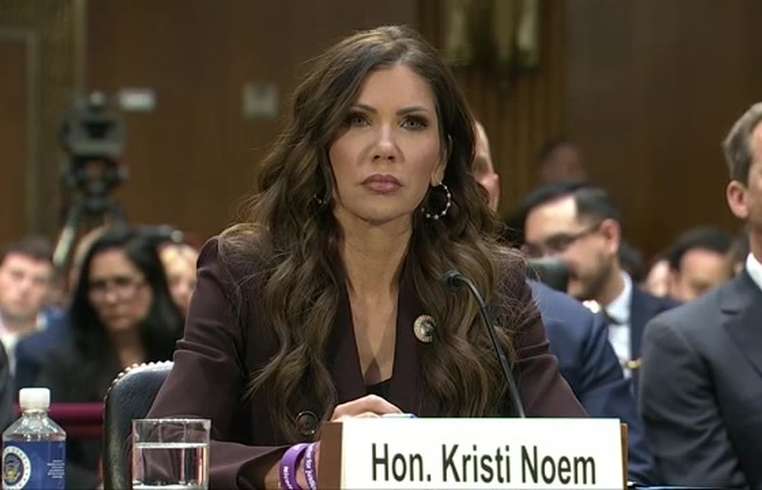
In a charged Senate Judiciary Committee hearing, Homeland Security Secretary Kristi Noem defended her department’s controversial immigration enforcement practices following the deaths of two protesters in Minneapolis. The deaths have intensified backlash against the Trump administration's mass deportation efforts, prompting widespread calls for accountability and transparency. Noem, accused of mishandling initial responses to the incidents, attributed the chaos to violent protesters and criticized Democratic lawmakers for alleged funding obstructions impacting DHS operations. The hearing marked Noem’s first congressional appearance since the shooting deaths of Renee Good and Alex Pretti, both U.S. citizens, by federal immigration officers. Their deaths during a crackdown operation dubbed 'Operation Metro Surge,' intended to combat fraud but escalating into violent encounters, ignited massive protests and grievances among Minnesotans and national civil rights advocates. During the tense session, Noem came under fire from Democratic Senators, including Dick Durbin of Illinois, who pressed her on inflammatory post-incident rhetoric that portrayed the deceased as domestic terrorists without substantial evidence. Footage and eyewitness accounts have since refuted her claims, leading to calls—from across the political aisle—for a formal apology. While Noem doubled down on initial reports from field agents citing violent provocations by protesters, her agency faced allegations of excessive force and constitutional rights violations. This criticism underscored broader concerns around the administration's immigration policy implementation and its impacts on local communities. Testimonies in the hearing shed light on the emotional toll these incidents have taken, stirring anger and demand for changes in enforcement strategies. These debates take place amidst heightened worries about domestic security, exacerbated by recent incidents being reviewed as potential terror acts amid increasing international tensions. In defending the need for robust enforcement, Noem called the recent funding standoff 'reckless,' arguing it undermines national security and the well-being of DHS agents. Her stance echoes sentiments from Homeland Security officials who accuse Democratic politics of embedding resistance against law enforcement efforts. The issue remains polarizing, as leaders on both sides of the aisle grapple with balancing national security imperatives against civil liberties and human rights. The unfolding scenario serves as a reflection of the existing political climate and disputes over the humanitarian costs of stringent immigration policies. Noem’s statements and the broad implications of the current enforcement approach are set to be further scrutinized in additional hearings, signaling that the debate over immigration policy and its enforcement remains a critical flashpoint in American politics.
About usyoo

Categories
Tags