
News - USS Abraham Lincoln Engages in Strategic Offensive Against Iran
Business Strategy
USS Abraham Lincoln Engages in Strategic Offensive Against Iran
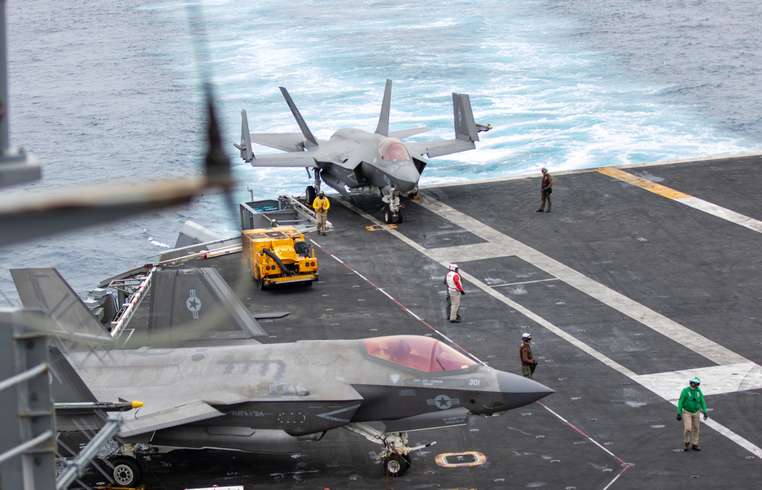
In a bold move against Iran's nuclear ambitions, the San Diego-based aircraft carrier USS Abraham Lincoln has been integral to a recent high-stakes operation orchestrated by U.S. and Israeli forces. This strategic strike, involving extensive aerial and naval maneuvers, targeted key Iranian military sites, including facilities linked to Supreme Leader Ayatollah Ali Khamenei. Crafted over several months, the operation echoes the collaborative defense objectives of both nations, described by Israeli Defense Minister Israel Katz as crucial to neutralizing a clear and present danger. President Donald Trump echoed these sentiments on Truth Social, highlighting Iran's role as a leading global sponsor of terrorism and reiterating the U.S. commitment to preventing Iran from obtaining nuclear capabilities. The statement underscored the potential global repercussions of a nuclear-armed Iran. In retaliation, Iran has launched missile and drone strikes against U.S. and Israeli military positions, notably in Bahrain, where the U.S. Navy's 5th Fleet holds significant presence. Throughout these tensions, the USS Abraham Lincoln has maintained its pivotal role, stationed in the Arabian Sea as the flagship of a formidable nine-ship strike group. As a leading asset in the U.S. naval arsenal, the carrier provides a versatile platform for launching missions against multifaceted threats. The presence of the USS Abraham Lincoln in the volatile Middle Eastern landscape serves a dual purpose: it acts as a deterrent against further escalation while enabling offensive capabilities. With the situation still highly fluid, Pentagon officials remain vigilant, contemplating potential strategic deployments and alliances to counter possible Iranian responses in the upcoming days. The intricacies of this mission underscore the intricate balance of power and diplomacy necessary to navigate these international waters. The outcomes of these actions will likely shape future military strategies and alliances in the rapidly evolving geopolitical climate. This report includes additional insights from the Associated Press.
About usyoo

Categories
Tags