
News - Senegalese Fishers' Challenge Accepted by the OECD: An Environmental Dispute
Business Strategy
Senegalese Fishers' Challenge Accepted by the OECD: An Environmental Dispute
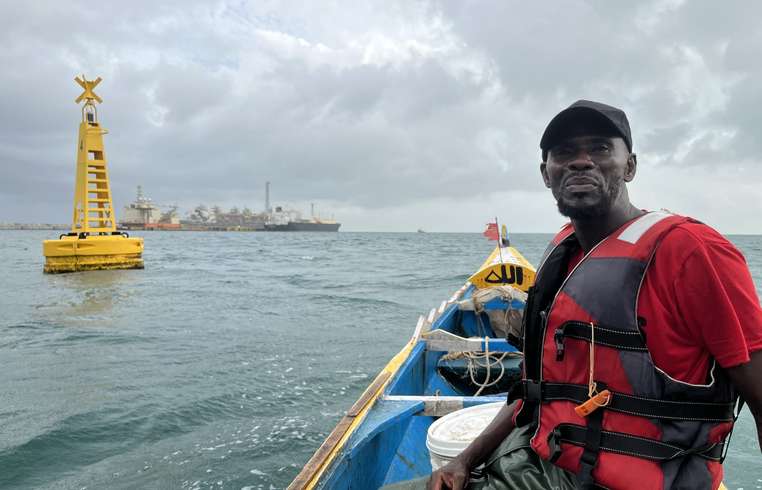
In a significant development, the UK's OECD national contact point has accepted a complaint from Senegalese fishers as admissible, initiating a challenge against major energy corporations for alleged environmental impacts in Senegal. This complaint, supported by a local NGO and the artisanal fishers’ association Gaadlou Guèrri, concerns the Grand Tortue Ahmeyim (GTA) natural gas platform, which is co-developed by multinational companies BP, Kosmos Energy, and the state oil companies of Senegal and Mauritania. The platform, located offshore from Senegal's Saint-Louis, is accused of polluting the marine environment and restricting fishers' access to important fishing grounds, threatening local livelihoods and food security. Fish makes up nearly 70% of animal protein in Senegal, highlighting the seriousness of these allegations for a country struggling with increasing food insecurity. The OECD's decision is seen as a significant victory for civil society, as it promises to mediate discussions among the parties in search of solutions. Furthermore, the complaint criticizes BP's environmental and social impact assessment as inadequate, arguing that it fails to comprehensively assess the gas project's effects and lacks appropriate mitigation measures. Since gas production began in January 2025, the GTA project has been under environmental scrutiny, with reports of gas leaks and flaring operations. While Mongabay witnessed these impacts firsthand, BP has not yet commented on the situation. Alleged inaction by local authorities, possibly due to vested interests in the project, adds to the controversy. The OECD plays the role of mediator in this situation, rather than a court; however, refusal to mediate could lead to further investigation. A negative decision from the OECD could significantly discourage financial backers, potentially affecting the future of the project.
About usyoo

Categories
Tags