News - Two Convicted for Stalking ICE Agent in Disturbing Livestream Pursuit
Business Strategy
Two Convicted for Stalking ICE Agent in Disturbing Livestream Pursuit
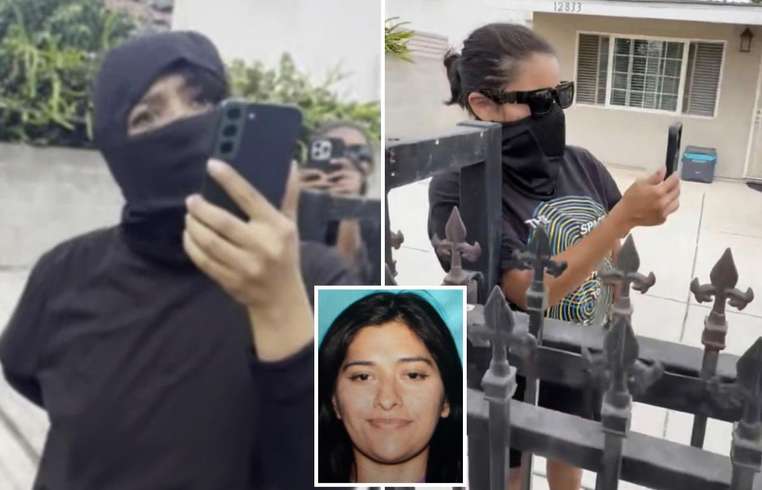
In a pivotal court decision, two self-described anti-ICE activists, Cynthia Raygoza and Ashleigh Brown, have been found guilty of stalking an Immigration and Customs Enforcement (ICE) agent in Los Angeles. The federal jury's verdict underscores the broader tensions surrounding ICE activities and those opposing them. Raygoza, 38, of Riverside, and Brown, also 38, from Aurora, Colorado, followed the agent last year from the ICE field office to his residential location, orchestrating their frightening pursuit in real-time via a live stream on Instagram. This online broadcast was replete with calls for viewers to share and amplify the video's reach, as confirmed by U.S. Attorney Bill Essayli. Upon arriving at the agent's residence, both women, wearing masks, disrupted the neighborhood's peace by loudly proclaiming the agent's occupation and location, yelling statements like "neighbor is ICE" and "la migra lives here," according to official testimonies. Furthermore, the duo hurled racial insults towards the agent's wife in front of their children, adding to the distressing atmosphere. U.S. Attorney officials alongside First Assistant U.S. Attorney for the Central District of California expressed gratitude towards the jury for upholding justice, highlighting the critical distinction between constitutional protests and unlawful intimidation. Both Raygoza and Brown now face potential five-year sentences in federal prison, with sentencing set for June 8. This case shines a light on the rising wave of confrontations against ICE personnel nationwide. Instances include a violent incident in Texas where a lone gunman targeted ICE officers, and another case involving threats of violence outside a Dallas facility. The Department of Homeland Security has noted a troubling 1,000% increase in violent actions against ICE agents. These events occur in a context of growing protests and hostility, marked by significant civil unrest in Los Angeles, resulting in substantial social and economic costs. As these tensions continue to simmer, this ruling serves to remind all parties of the crucial legal boundaries that safeguard lawful discourse.
About usyoo

Categories
Tags