
News - Cold Snap Chaos: NYC Confronts Growing Turmoil
Business Strategy
Cold Snap Chaos: NYC Confronts Growing Turmoil
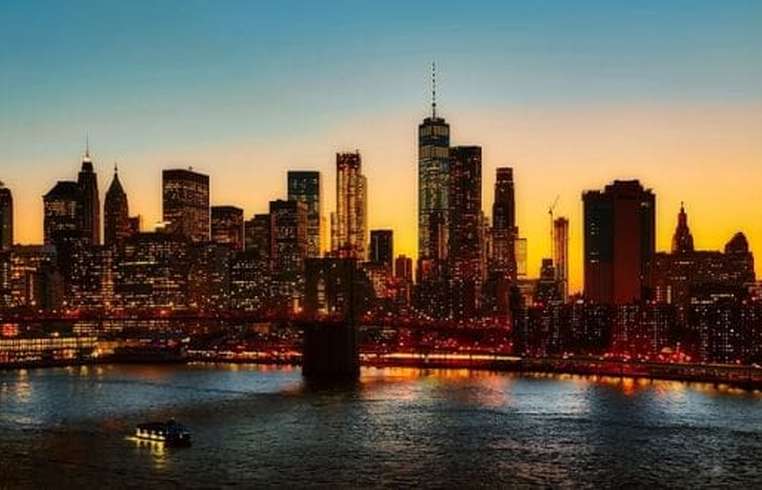
New York City is experiencing an intense cold snap, transforming its bustling streets into a chilly arena for unrest. Amidst the frosty weather, Washington Square Park became an unexpected hotspot as individuals brazenly hurled snowballs and other objects at NYPD officers. This wasn't innocent snow-day antics; it was an act of defiance, captured on video showing adults—some masked, others bold in their visibility—standing firm in their perceived immunity from serious repercussions. Such acts shine a light on a growing problem: a diminished respect for law and order fueled by a public perception that consequences for assaulting police are negligible. The response from NYPD was swift. Police Commissioner Jessica Tisch condemned the actions as 'disgraceful' and 'criminal,' with investigations already underway. The Patrolmen's Benevolent Association echoed the urgency, emphasizing that those injured need more than medical attention—they need justice. Identifications and arrests must follow, they urge, to prevent future escalations. This incident raises broader questions about the public's perception of law enforcement, a sentiment shaped heavily by political discourse. Political leaders like NYC Mayor Zohran Mamdani, known for their critical stance on police practices, are finding their rhetoric under scrutiny as words from the top trickle down, influencing public behavior. The culture is shifting, and with it, the boundaries of acceptable treatment toward police. Historical precedents highlight the cyclical nature of this issue. Post-Ferguson in 2014, the narrative around policing entered a new, contentious era. The events of 2020 further stirred these sentiments, with defunding and reimagining the police entering mainstream policy discussions. But with these discussions comes a loss of clarity on fundamental principles: the necessity of law enforcement and order. Amid the icy turmoil, the plight of the homeless becomes poignant. In freezing temperatures, city officials grapple with not just maintaining order but also safeguarding the vulnerable who remain on the streets. Mayor Mamdani's administration has deployed extensive outreach to connect the homeless with services, but drug overdoses and exposure deaths question the adequacy of current measures. The hesitance to enforce sheltering highlights a policy contradiction. Ultimately, leadership in New York City is faced with a stark challenge. As snow sets the scene for chaos, it reveals underlying social tensions and deficiencies in governance. Securing the city's resilience demands a reaffirmation of rules and their steadfast enforcement at every level of authority. This frostbitten episode serves as a critical reminder: Words wield power, and governance must be proactive, not reactive, lest the thin veil of order is pierced by anarchy.
About usyoo

Categories
Tags