
News - Iran Stands Firm: Rejects U.S. Demands at Geneva Talks
Business Strategy
Iran Stands Firm: Rejects U.S. Demands at Geneva Talks
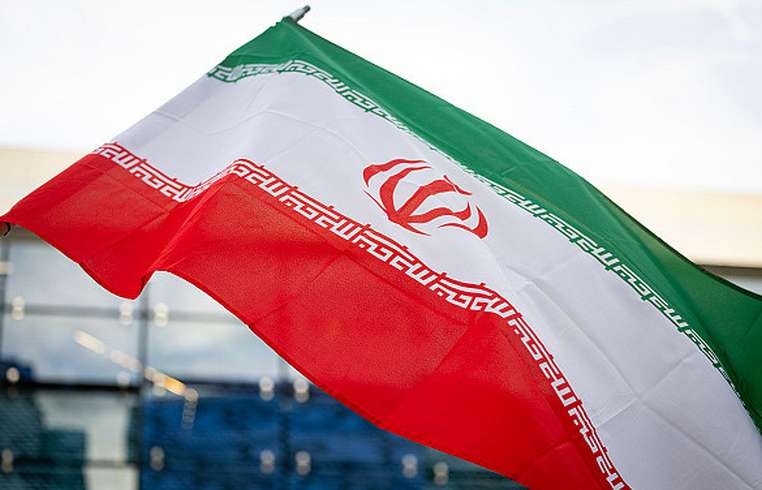
In a significant turn of events during the Geneva negotiations, Iran has categorically opposed all demands set forth by the United States, highlighting the persistent tensions surrounding its nuclear program. According to reports from The Wall Street Journal, supported by unnamed Iranian state media and various anonymous sources, Iran has firmly rejected proposals to transfer its uranium reserves to a third country. Additionally, Tehran refused to halt its uranium enrichment processes, dismantle its nuclear facilities, or agree to indefinite restrictions on the development of its nuclear capabilities. These steadfast refusals underscore Iran's determination to maintain sovereignty over its nuclear agenda, challenging international calls for increased transparency and security measures. Despite these rejections, Iranian Foreign Minister Abbas Araghchi expressed optimism, stating that the discussions bore significant progress. He mentioned that both nations engaged in comprehensive talks regarding the potential frameworks for a future agreement related to Iran's nuclear dossier. This development escalates the diplomatic impasse, raising questions about the future of nuclear negotiations and the potential for de-escalation. Observers and analysts worldwide are keenly watching for further moves from both sides, especially how this might affect geopolitical stability in the Middle East and beyond. The outcome of these discussions will likely have profound implications on international relations and the global approach to nuclear non-proliferation.
About usyoo

Categories
Tags