News - Cummins Seminary Celebrates 150 Years with Inspiring Art Event
Business Strategy
Cummins Seminary Celebrates 150 Years with Inspiring Art Event
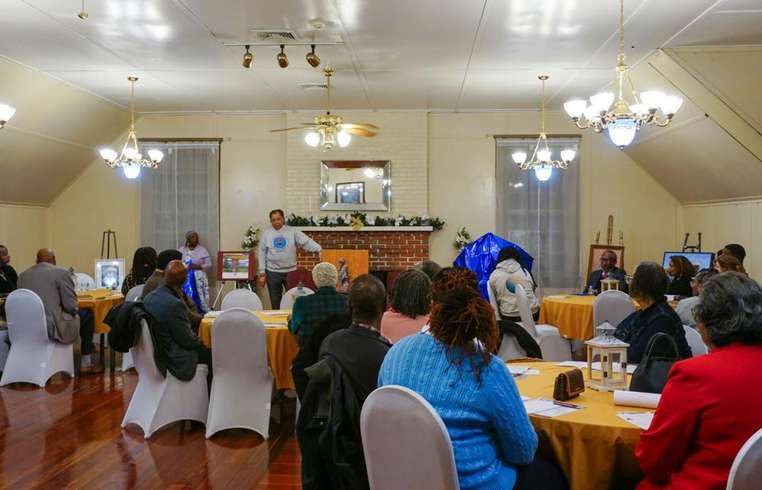
Marking 150 years of enriching education, Cummins Memorial Theological Seminary celebrated with a thought-provoking art exhibition, intertwining rich Lowcountry history, African American heritage, and Christian faith. The celebration, held on February 6, honored the legacy of both established and emerging South Carolina artists. Renowned artist Jonathan Green's piece, Hobcaw Barony Woman, was at the center of the exhibition. The painting, part of Green's acclaimed 'rice series,' was unveiled by Bishop Willie J. Hill, Jr., a former Dean of Cummins. Hill's poignant speech underscored the crucial historical impact of skilled enslaved Africans from West Africa, who transformed South Carolinian swamps into prosperous rice plantations, laying economic foundations for the future. “These ancestors paved the way through immense sacrifices,” remarked Hill, stressing the importance of recognizing the cultural giants who enrich our present and future. Further highlighting the fusion of cultural and historical themes, artist Willie Sanders presented his work, Penegelly Chapel, depicting a chapel closely linked to early Reformed Episcopal worship in the South. Sanders, who hails from Cross, South Carolina, nurtures a lifelong passion for art, crafted from humble beginnings drawing on supermarket wrapping paper. Despite the societal discouragement, Sanders pursued his passion alongside a career in education and community service. Sanders spoke to the heart of the matter: “Art is in my heart.” He shared his creative journey utilizing pen, ink, watercolor, oil, and acrylic, explaining how the financial appreciation of art hinges on factors like rarities, signed editions, and artist reputation. Both the exhibition and artists' reflections offered profound insights into how art and history can weave significant cultural narratives, symbolizing enduring struggles and the triumph of legacy.
About usyoo

Categories
Tags