
News - Middle East tensions rise over Huckabee's 'Greater Israel' remarks.
Business Strategy
Middle East tensions rise over Huckabee's 'Greater Israel' remarks.
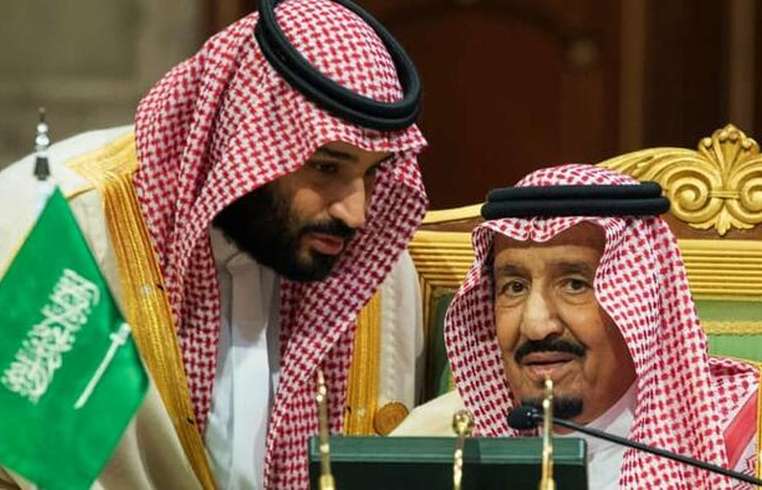
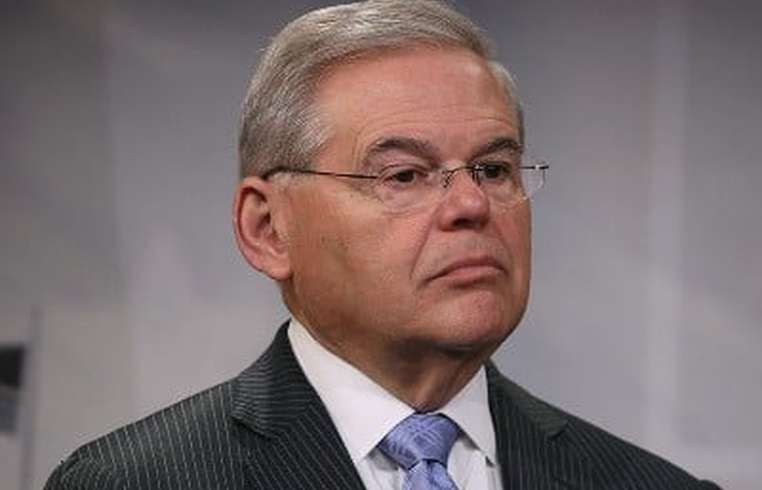
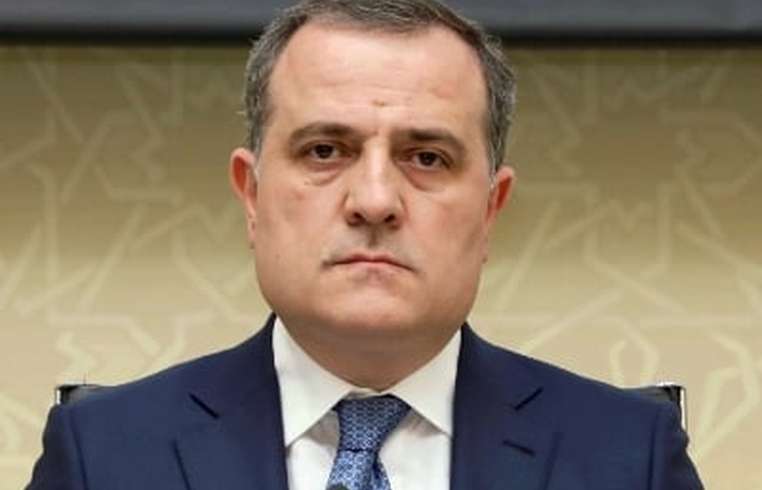
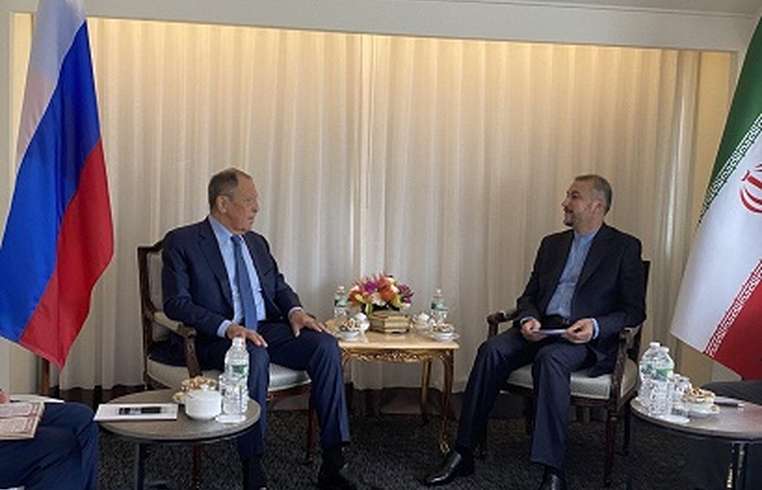
In a recent interview with Tucker Carlson, U.S. Ambassador to Israel Mike Huckabee made controversial statements suggesting Israel has the right to expand its territory across the Middle East. Huckabee's remarks have ignited a firestorm of criticism from numerous Arab states and international bodies, sparking unprecedented unity among typically divided nations in the region. Governments including Palestine, Egypt, Jordan, Saudi Arabia, Kuwait, and Oman have joined forces to denounce the comments, calling them 'reckless,' 'irresponsible,' and a flagrant violation of international norms and laws. The Organization of Islamic Cooperation (OIC) and the Arab League echoed these sentiments, issuing statements of strong condemnation and concern over the potential implications of such rhetoric. The controversy stems from Huckabee's interpretation of a biblical passage, which he believes divinely grants Israel the land that encompasses present-day territories across Egypt, Syria, and Iraq. During the interview, Huckabee asserted that it would be 'fine' for Israel to annex these lands, triggering widespread alarm among Middle Eastern leaders who fear such statements could exacerbate regional tensions and undermine peace efforts. Saudi Arabia, a key ally of the United States, was swift in its response, rebuking Huckabee's comments as 'irresponsible' and cautioning against actions that could destabilize an already volatile region. Similarly, Jordan issued a rebuke, with an official spokesperson describing Huckabee's remarks as a blatant affront to diplomatic conventions and an assault on regional sovereignty. The diplomatic controversy comes at a time when the Middle East is already grappling with complex geopolitical challenges, including ongoing conflicts and efforts to balance power dynamics with Iran. While Huckabee's statements have attracted widespread condemnation, it remains unclear whether this will translate into tangible shifts in alliances or policies within the region. However, it does highlight the fragile balance of power and the heightened sensitivity to rhetoric that could disrupt the tenuous status quo.
About usyoo

Categories
Tags