
News - Trump raises import tariff to 15% amid Supreme Court clash.
Business Strategy
Trump raises import tariff to 15% amid Supreme Court clash.
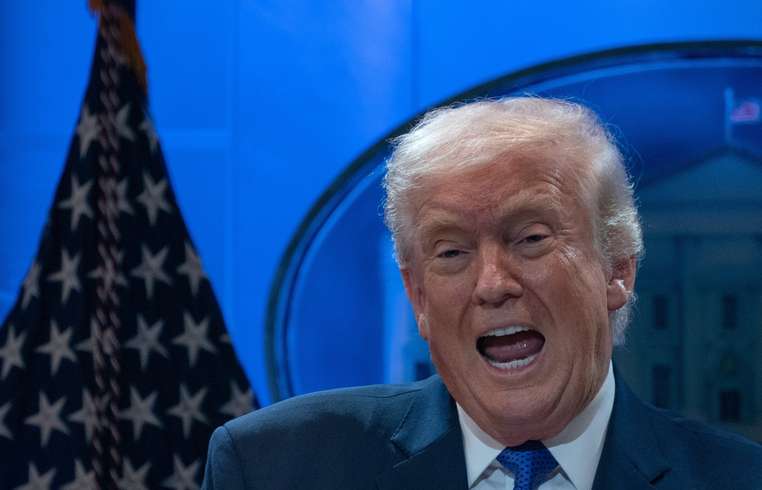
In a surprising move, President Donald Trump announced a rise in the global tariff rate from 10% to 15%, following what he described as an 'anti-American' Supreme Court decision. Late Friday, the U.S. Supreme Court nullified his ability to unilaterally impose extensive tariffs citing a lack of emergency powers. In response, Trump swiftly signed an executive order implementing a temporary 10% tariff on U.S. imports, sparking global economic concerns. The increase in tariffs reflects Trump's resolve to maintain protective measures over the U.S. economy, a continuation of his aggressive trade policy despite legal limitations. Trump's announcement signifies his intent to temporarily push forward with global tariffs before potentially exploring other legal avenues, such as Commerce Department investigations, to enact further trade policies. This development stirred mixed reactions, with Trump's trade moves unpredictably affecting markets and trade relations. His decision has also brought him into direct conflict with the judiciary, who ruled against the move in a 6-3 decision. Justices Neil Gorsuch and Amy Coney Barrett, appointed by Trump himself, were among those in the majority, which led Trump to express disappointment and acclaim his supportive dissenters, such as Justice Brett Kavanaugh. As Trump lambasted the rulings and judges responsible, his administration braces for the tariffs taking effect from February 24. Speculations grow about the long-term impacts of this tariff overhaul and whether legislative action will extend their duration.
About usyoo

Categories
Tags