News - Gyumri's 'Dowry House': A Symbol of Urban Renewal Amidst Uncertainty
Business Strategy
Gyumri's 'Dowry House': A Symbol of Urban Renewal Amidst Uncertainty
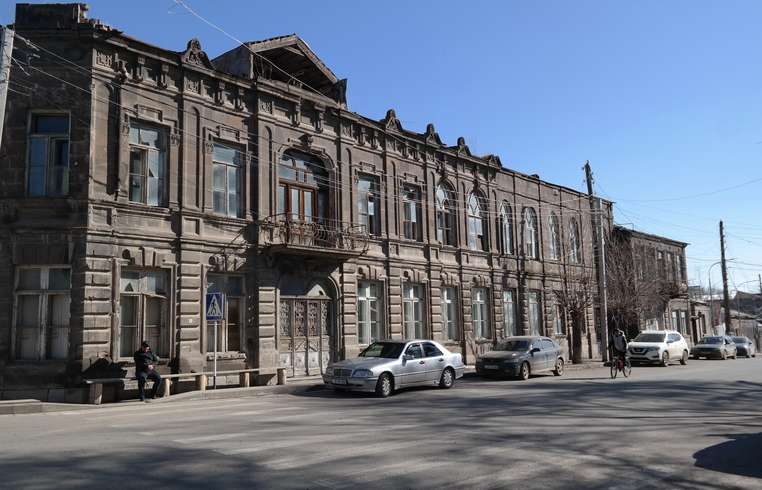
In the heart of Gyumri, the 'Dowry House' stands as a testament to Armenia's vibrant history and architectural heritage. Originally built in the 1890s, this iconic structure has woven itself into the urban tapestry of Gyumri, serving various purposes through the decades. From housing families to serving as a witness to the seismic waves of change, it encapsulates a narrative of resilience. Significant damage from the 1988 earthquake transformed parts of the building into temporary shelters for displaced families. Today, the 'Dowry House' remains largely unused, caught in a web of municipal red tape and community nostalgia. Efforts to renovate the building have sparked debates among local officials and residents. With urban renewal plans in motion, the city council had once vowed to restore the 'Dowry House' and repurpose it as a cultural and community center. However, decisions have stalled and the future of the landmark teeters between preservation and neglect. Currently, it does not feature on the official municipal list earmarked for restoration, leaving many residents frustrated. The delay stands as a metaphorical rift between Gyumri's storied past and its dreams of a revitalized future. Citizens and historians alike call for a renewed focus on the restoration efforts, urging the inclusion of the 'Dowry House' in ongoing urban development programs. The journey of the 'Dowry House' is not just a local concern but also a reminder of the broader challenges faced by heritage conservators worldwide. Balancing the pressing needs of urban growth with the preservation of cultural iconography remains a delicate dance. For the people of Gyumri, the 'Dowry House' is more than brick and mortar—it is a symbol of a communal past waiting to be cherished and invigorated for future generations.
About usyoo

Categories
Tags