

News - Japan's Strategic Investment Fuels U.S. Energy Growth
Business Strategy
Japan's Strategic Investment Fuels U.S. Energy Growth
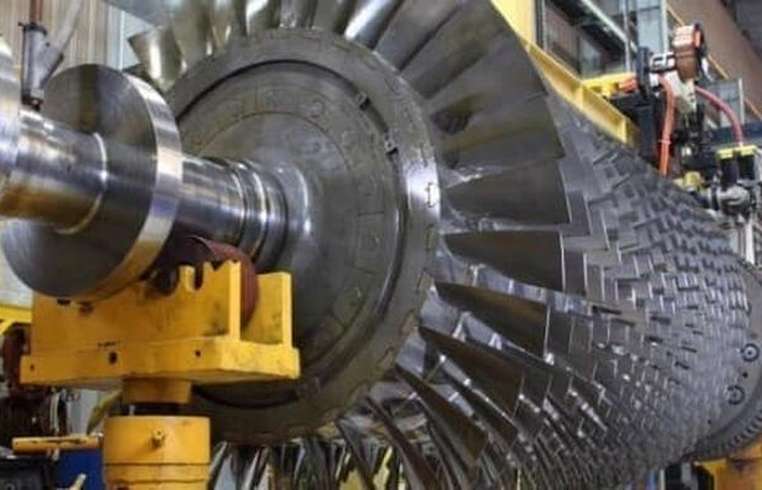
In a substantial commitment under its $550-billion investment pledge, Japan has initiated a $36 billion injection into the U.S. economy. A key component of this investment is a groundbreaking 9.2 GW natural gas power plant in Ohio, poised to be the largest of its kind. This move responds to escalating electricity demand in the United States, notably fueled by the rise of AI-driven data centers which require consistent, large-scale energy sources. The power plant, set to be operated by SB Energy, a SoftBank subsidiary, emphasizes the role of natural gas as a stable base load power provider in the rapidly growing energy sector. The investment is part of a broader agreement established with former President Trump, focusing on reducing tariffs and opening the U.S. market further to Japanese corporations, in exchange for substantial economic contributions, particularly in the energy sector. The remaining portion of Japan's initial $36 billion involves constructing a synthetic diamond manufacturing facility and the development of the Texas GulfLink deepwater oil export terminal, which promises to enhance U.S. crude export capacity and solidify its position as a leading global energy supplier. The GulfLink project, backed by approvals from the Trump administration, exemplifies how deregulation strategies aimed at reducing bureaucratic constraints have facilitated significant advancements in fossil fuel export capabilities. Commerce Secretary Howard Lutnick highlighted the potential for these projects to significantly boost the U.S. economy, both by enhancing energy reliability and through the creation of thousands of jobs. In providing a boost to American manufacturing sectors reliant on affordable energy, Lutnick also stressed the strategic importance of these developments in supporting the U.S. as a leading player in global energy markets. This intensive investment strategy not only aims to manage the current drive for increased energy production amidst rising demand but also addresses future needs, with projections of continuous growth in electricity consumption driven by the expansion of technology infrastructure across the nation.
About usyoo

Categories
Tags