
News - Virginia Court Halts Democrats' Redistricting Referendum
Business Strategy
Virginia Court Halts Democrats' Redistricting Referendum
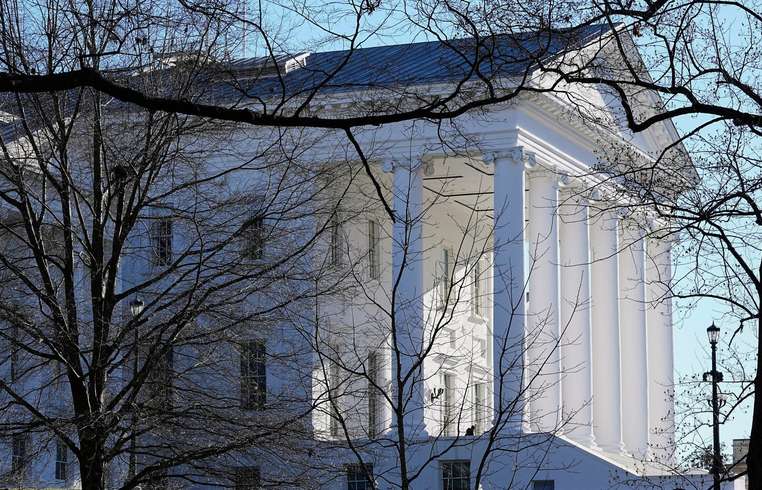
In Richmond, Virginia, political tensions are escalating due to a recent court ruling that disrupts the Democrats' plan to change the state's congressional maps via a voter referendum scheduled for April. The Tazewell Circuit Court has issued a temporary restraining order after a request from the Republican National Committee and the National Republican Congressional Committee. The plaintiffs argued that the timing and wording of the referendum violated legal standards. Virginia Democratic Attorney General Jay Jones plans to challenge this ruling in higher courts. If the decision is upheld, it could effectively cancel the planned referendum, with the restraining order in effect until March 18, and early voting set to begin on March 6. The temporary ruling adds tension to an already complex redistricting situation, putting both major parties on edge. At the core of the conflict, Republicans criticize what they see as Democrats' rushed legislative efforts to push redistricting bills despite existing legal obstacles. GOP statements described the ruling as a victory for fair representation, marking it as the second instance of Judge Jack Hurley Jr. opposing Democratic redistricting efforts, following an earlier decision challenging a constitutional amendment. After the ruling, both political parties are preparing for ongoing legal battles, with the case already moved to the Virginia Supreme Court. They had previously suggested that the referendum could proceed amid these appellate reviews. The political clash over redistricting is part of a larger national strategy, sparked by former President Donald Trump's mid-decade redistricting initiative aimed at securing Republican seats amid upcoming midterm pressures. Republicans aim to gain additional seats in states like Texas and Ohio, while Democrats focus on gains in California, Utah, and notably Virginia. Amid these developments, Virginia's House Speaker, Democrat Don Scott, remains hopeful about overturning the restraining order. Legislative actions by the Democrats have also aimed to centralize legal proceedings in Richmond to avoid regional biases, a move opposed by Republican filings that cite Tazewell as the appropriate venue. The legislative and judicial battles underscore the high stakes in redistricting, as both parties strive for advantageous map configurations ahead of the upcoming elections.
About usyoo

Categories
Tags