
News - Eileen Gu's silver success at the Olympics stirs heated debate
Business Strategy
Eileen Gu's silver success at the Olympics stirs heated debate
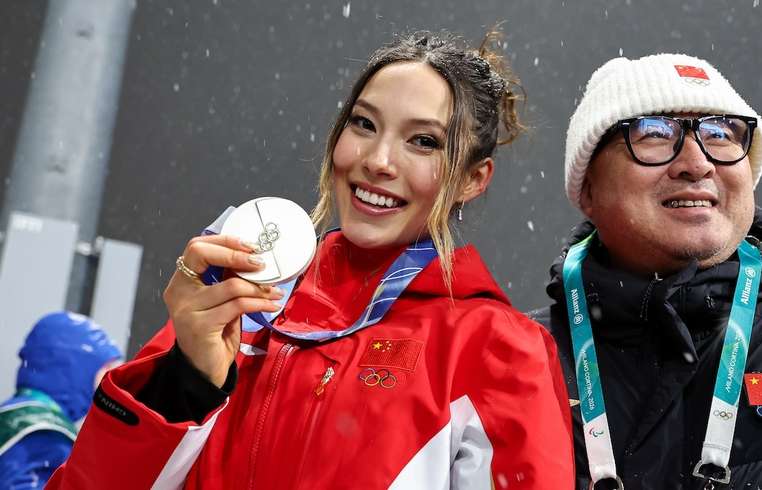
Eileen Gu, the American-born skier competing for Team China, remains a focal point of controversy at the Milan Cortina Winter Games. A recent encounter with a reporter became viral after Gu was questioned about her two silver medals, to which she replied that the line of questioning stemmed from a 'ridiculous perspective.' She proudly stated, 'I’m the most decorated female freeskier in history. I think that’s an answer in and of itself,' when asked whether she viewed her achievements as 'silvers earned' or 'golds lost.' The comment led to widespread dialogue on social media, with reactions both in support and critical of her response. Gu's athletic prowess in freestyle skiing has put her among the world's elite, with her latest accolades coming from the slopestyle and big air events at the Games. With her final challenge, the halfpipe, looming ahead on Saturday, Gu has the opportunity to further augment her collection. Nevertheless, her choice to compete for China, rather than her birth country, the United States, has been a continuous source of debate. Critics argue, like former NBA player Enes Kanter Freedom, who labeled her a 'traitor,' expressing that her choice undermines her American upbringing and education. Despite this, Gu has maintained that her focus is on the bigger picture: the unifying essence of sports. In response to former President Donald Trump's critique of skier Hunter Hess, Gu lamented that such controversies overshadow the Olympic spirit. 'The whole point of sport is to bring people together... it’s about breaking limits, both physical and metaphorical,' she insisted. The political undertones surrounding her representation of China have led figures like U.S. Vice President JD Vance to voice their opinions, advocating for American athletes who identify with U.S. values. As the Olympic Games continue, Gu's impressive performances and the dialogue surrounding her decisions reflect the complex intersection of sports, identity, and politics on the world stage.
About usyoo

Categories
Tags