
News - Bangladesh Ushers in a New Era with Tarique Rahman's Leadership
Business Strategy
Bangladesh Ushers in a New Era with Tarique Rahman's Leadership
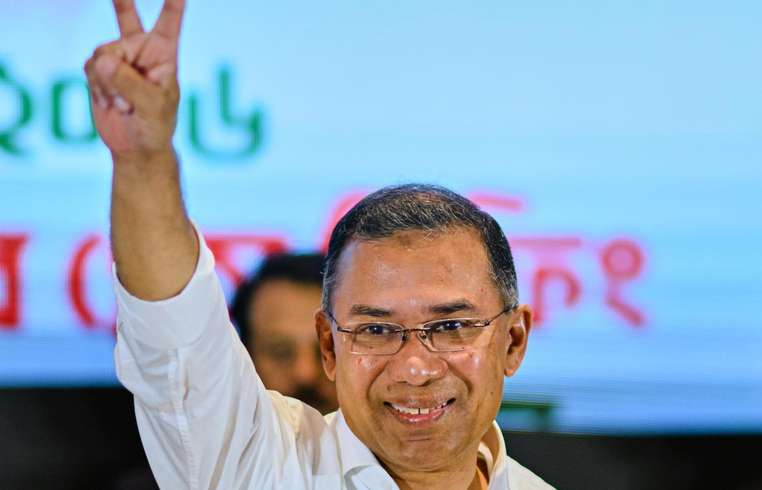
DHAKA, Bangladesh — Tarique Rahman has begun his term as the new Prime Minister of Bangladesh following a decisive electoral victory secured by his party, the Bangladesh Nationalist Party (BNP), last week. These elections, critical in shaping Bangladesh's political path following the upheaval of 2024, usher in a phase of renewed governance under Rahman's leadership. Rahman, coming from a lineage of political stalwarts—his mother being former Prime Minister Khaleda Zia and his father, the late President Ziaur Rahman—returns to lead the nation as its first male prime minister in over three decades. During an inauguration ceremony officiated by Bangladesh’s ceremonial President Mohammed Shahabuddin, Rahman, along with numerous cabinet officials, vowed to strengthen democratic principles and stimulate economic revival in the South Asian nation of 170 million. The BNP's triumph at the polls captured 212 seats in the 350-member Parliament, establishing a dominant position. Conversely, the Islamic-oriented coalition led by Jamaat-e-Islami secured 77 seats, forming a strong opposition bloc. In a country where parliamentary seats include direct elections for 300 members, the remaining 50 are proportionally allocated to female candidates from victorious parties. Rahman's return to politics came after a 17-year exile in London, a return just in time to mourn his mother's recent passing. Under the supervision of an interim administration led by Nobel laureate Muhammad Yunus, the elections proceeded with minimal disruptions and were generally endorsed by international observers. Notably absent from the electoral contest was the Awami League, led by former Prime Minister Sheikh Hasina. Disqualified due to the revolutionary events of 2024 and subsequent judicial mandates, the exclusion of Hasina's party marked a significant shift in the electoral scene. From her refuge in India, where Sheikh Hasina relocated after the 2024 upheaval, she criticized the electoral outcome as biased and disrespectful to her party's legacy. Her allegations of human rights violations during the revolt resulted in a controversial death penalty—a verdict Hasina dismissed as judicial manipulation. As Bangladesh transitions under Rahman's leadership, his administration faces the challenge of proving its commitment to inclusive governance while dealing with an influential opposition. Globally, attention is focused on how Rahman's five-year plan will shape Bangladesh’s socio-political landscape.
About usyoo

Categories
Tags