News - The Dilemma of Diplomacy: Jimmy Lai's Sentence and Western Choices
Business Strategy
The Dilemma of Diplomacy: Jimmy Lai's Sentence and Western Choices
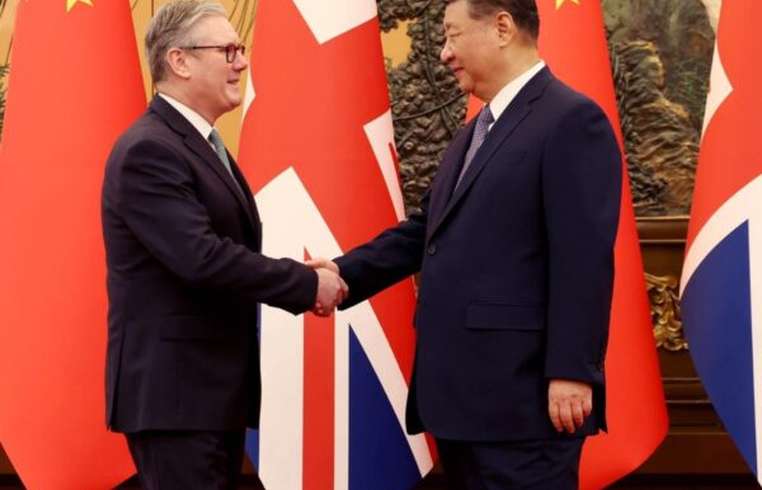
In a significant diplomatic move, U.K. Prime Minister Keir Starmer recently visited China, aiming to thaw relations after six stagnant years. This visit coincided with the sentencing of Jimmy Lai, a prominent pro-democracy figure from Hong Kong, who received a 20-year term under the strict National Security Law. Starmer's visit to Beijing, including interactions with President Xi Jinping, showcased the U.K.'s intent to foster economic ties, signaling a prioritization of diplomacy and trade over addressing human rights issues. The timing of the visit was poignant. Just a day before Lai's sentence, it reflected an apparent diplomatic decision where economic interests were placed above individual liberties, as indicated by the lack of direct outcomes following discussions of Lai's situation. Despite Starmer's mention of Lai during talks with Xi, the result was a grim confirmation of the West's limited influence on China's domestic policies. Observers were taken aback by the severity of Lai's punishment, designed to silence one of the loudest voices for democracy in Hong Kong. This outcome is starkly reminiscent of past political repressions, echoing the grim fate of Liu Xiaobo, who died under detention conditions. Lai's fate is a testament to the mounting challenges faced by journalists and political activists in an increasingly authoritarian Hong Kong. In recent years, Western nations have gradually shifted their approach to China, moving from vocal criticism of its human rights record to pragmatic engagement, largely driven by economic and strategic interests. From the European leaders to Canada and the U.K., states once vocally critical of Beijing have tempered their stances, leaning into trade and diplomatic engagements despite the authoritarian tendencies tightening their grip across China. The implications of this diplomatic choice have been profound. As Western governments recalibrate ties with China, the space for dissent within China continues to shrink. The repression of dissidents, exemplified by Jimmy Lai's harsh sentence, occurs amidst a backdrop of global political reformation led by major Western powers. Three decades ago, many believed in the promise of integrating China into the global system, predicting political evolution would follow economic engagement. However, China has staunchly fortified its authoritarian regime, undeterred by the principles or warnings of the West. This evolving narrative reveals a troubling trend for human rights defenders in China. With Western powers prioritizing economic engagements over principled advocacy, dissenters like Jimmy Lai find themselves isolated. The price of engagement is being paid by those behind bars, as a world increasingly driven by economic ties and strategic interests overlooks fundamental human rights. This predicament poses a broader question to the global community: How much is economic engagement worth when it comes at the cost of human rights and individual freedoms? As Lai and many others face harsh realities unprotected by international allies, the conversation around global diplomacy and human rights continues to demand urgent reflection.
About usyoo

Categories
Tags