

News - Federal transit spending is under scrutiny as commuting patterns shift.
Business Strategy
Federal transit spending is under scrutiny as commuting patterns shift.
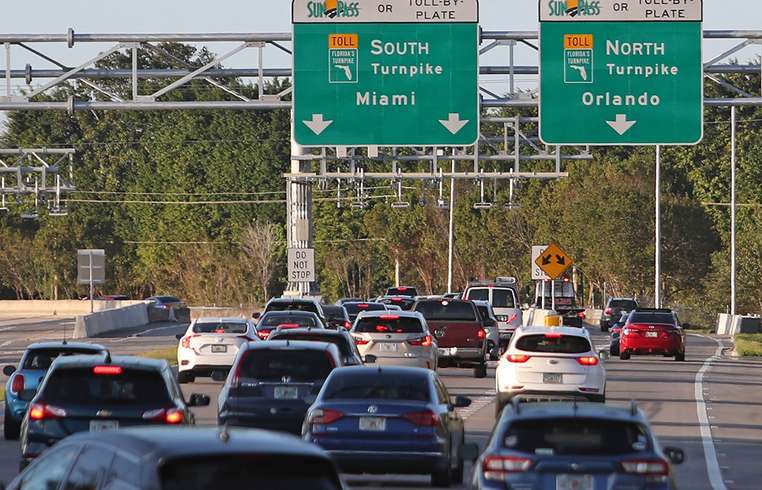
The Committee to Unleash Prosperity has published a report that examines the effectiveness of current federal transit spending, which has reached unprecedented levels while traditional bus and rail commuting has not returned to pre-COVID-19 numbers. The analysis suggests there may be major structural problems in the federal government's allocation of transit funds, a concern that is increasing as remote work becomes more common. Wendell Cox, a senior fellow with the Committee and the report's author, traces these financial trends back to the start of the federal transit program in the 1960s, which was initially intended to improve mobility for low-income communities and reduce congestion and pollution. However, while transit funding keeps growing, the number of commuters using these services has decreased. Cox's analysis reveals a notable decline in transit's share of the commuter market, falling from 12% in 1960 to less than 4% by 2024. Presently, only about 3.8% of American workers use mass transit, with a number three times larger now working remotely. Despite the increase in funding, the convenience of cars continues to attract more commuters, with an additional 88 million Americans choosing to drive to work compared to 1960, along with a significant increase in remote work alternatives. Cox highlights the competitive advantage of driving by presenting statistics showing that the average commute is about 26 minutes by car versus 48 minutes by transit. Furthermore, the gap in accessibility is evident, as workers nationwide can reach 58 times more job opportunities by car within 30 minutes than by transit, a disparity evident even in cities like New York with extensive public transportation systems. The report ultimately calls for a thorough reevaluation of federal transit policies, stressing the need to adjust funding frameworks to fit current commuting trends, especially considering the rising federal debt and changing workplace dynamics due to remote work.
About usyoo

Categories
Tags