
News - Iran Criticizes Munich Security Conference After Being Snubbed
Business Strategy
Iran Criticizes Munich Security Conference After Being Snubbed
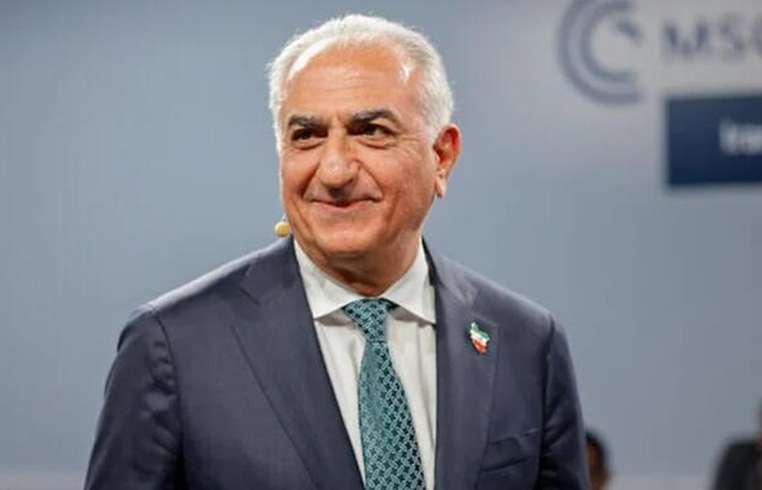
The Munich Security Conference, an event renowned for its diplomatic significance, has been criticized by Iranian Foreign Minister Abbas Araghchi, who accused it of prioritizing spectacle over meaningful dialogue after Iran was excluded this year. Amid recent unrest and protests in Iran, key Iranian officials were not invited, a move Tehran views as exclusionary and harmful to diplomatic discourse. Minister Araghchi expressed his disappointment on the platform X, lamenting the transformation of the conference into what he described as the 'Munich Circus'. Araghchi denounced the European Union's stance towards Iran, highlighting a supposed confusion and lack of understanding of Iran's internal dynamics. He commented on the European Union's diminishing influence in Middle Eastern geopolitics, especially regarding Iran's nuclear discussions. Instead of Iran's presence, the conference invited Reza Pahlavi, the son of Iran's deposed shah, who was there to advocate for regime change in Iran. Although he received some support among Western nations and the Iranian diaspora, Pahlavi remains largely unfamiliar within Iran, known more for his familial connections to a historic monarchy noted for its oppressive past. Pahlavi's attendance included calls for drastic measures, such as military intervention by the US against Iran—views that resonate with only a minority and remain controversial in the wider geopolitical arena. Pro-Monarchist demonstrations occurred in Munich, attracting international media attention but illustrating the deep divisions within Iranian society. Pahlavi, who seeks to establish a 'secular democracy' in Iran, continues to seek support from Western political circles, but his historical associations present significant challenges.
About usyoo

Categories
Tags