News - Parents Divided as Teachers Strike in San Francisco; Education Disturbed
Business Strategy
Parents Divided as Teachers Strike in San Francisco; Education Disturbed
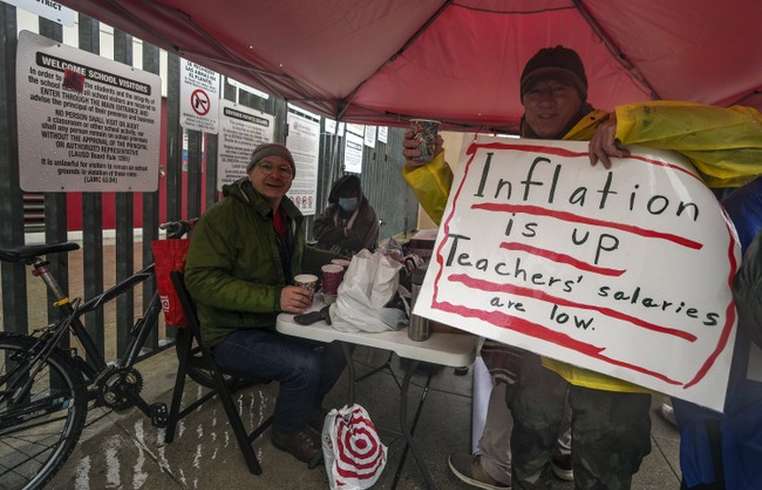
The San Francisco Unified School District (SFUSD) is at the center of a heated strike as teachers demand better compensation and benefits, leaving thousands of students without regular classroom instruction. Entering its fourth day, the strike has disrupted education for more than 50,000 students, with teachers asking parents not to engage in alternative schooling efforts such as district-provided homework packets, which they argue undercut their bargaining power. Teachers are seeking a nine percent salary increase over two years and subsidized family healthcare; however, the district contends that these demands are beyond its financial capacity. As negotiations persist, SFUSD attempts to mitigate educational setbacks by distributing homework packets designed to keep students academically engaged. But this effort has been met with criticism from striking teachers, who believe that using these packets prolongs the strike and reduces pressure on the district to negotiate. On social media, teachers have urged parents not to opt for the independent study materials provided, framing the decision as an ethical stance akin to crossing a picket line. This request has incited a mixed response from parents—some annoyed by what they perceive as an obstruction to their children’s education, while others support the teachers' position, equating the situation to using temporary workers during the strike. Notably, the impact of the strike is multifaceted. While the district reports maintained or slightly improved reading scores among high school students, overall academic performance remains a concern, with many believing that classroom attendance is crucial for continued progress. The ongoing strike raises questions about its motivations—whether it serves the students’ educational needs or prioritizes union benefits. The SFUSD teachers’ walkout underscores a broader debate on balancing educator welfare with educational imperatives. As negotiations continue, the future of San Francisco's students and teachers hangs in the balance, with stakeholders keenly observing how this standoff will resolve and what precedents it might set for similar disputes elsewhere.
About usyoo

Categories
Tags