News - Trump and Netanyahu Align on Iran Strategy Amid Diplomatic Uncertainties
Business Strategy
Trump and Netanyahu Align on Iran Strategy Amid Diplomatic Uncertainties
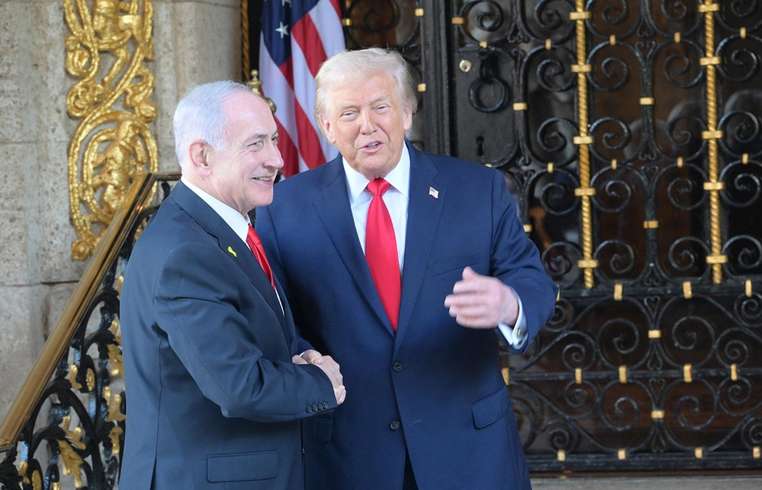
In a pivotal meeting at the White House on Wednesday, President Trump and Prime Minister Netanyahu centered their discussions around the complexities of engaging with Iran amid ongoing diplomatic tensions. Both leaders underscored their commitment to coordinated strategies should talks with Tehran collapse. Post-discussion, President Trump took to Truth Social to outline the details of their conversation, reasserting his preference for continued diplomatic negotiations with Iran while acknowledging the necessity of keeping alternative measures in consideration. "No firm conclusions were reached other than my insistence on pursuing negotiations with Iran to see if an agreement can be forged," Trump announced. "This was communicated clearly to the Prime Minister as the preferred path, but if a deal remains elusive, we need to evaluate emerging scenarios prudently. Iran's previous attempts to avoid a deal led to the 'Midnight Hammer,' which proved unfavorable for them." Meanwhile, a release from Netanyahu's office confirmed discussions on key issues including Iran, Gaza, and broader regional developments, with both parties agreeing to maintain robust cooperation. Prime Minister Netanyahu also stressed Israel's security prerogatives within the framework of current negotiations. Earlier, Netanyahu signed on to the U.S.-backed Board of Peace, joining the forum that includes Western allies as well as challenging partners like Turkey and Qatar, who play contentious roles in Gaza. This decision, made amid weeks of hesitation, mirrors a strategic reflection concerning both Gaza and Iran. Dr. Dan Diker, leading the Jerusalem Center for Security and Foreign Affairs, asserts that Netanyahu's decision is strategically linked to collaboration with Washington and shaping post-conflict resolutions in Gaza. "Israel's involvement in the Board of Peace is pivotal for Prime Minister Netanyahu," states Diker. "His participation at this table, even with challenging entities like Qatar and Turkey, is crucial for aligning with President Trump to advance the 20-point agenda, with priorities on deradicalization, disarming Hamas, and demilitarizing foremost." Diker also connects the decision to Iran policy. "Furthermore, the strategic significance of Netanyahu's involvement in the Board of Peace lies in its supportive role in counteracting Iranian ambitions. Netanyahu counts on potential actions from both internal Iranian dissent and US measures in upcoming weeks, exchanging reciprocal cooperation under the 20-point plan for Gaza." Blaise Misztal, policy vice president at the Jewish Institute for National Security of America, frames Israel's move as a pragmatic decision informed by incomplete aspects of the Gaza deal and a challenging regional environment. "The current phase of implementing the Gaza peace accord lacks robustness. Despite the 72-hour deadline, Hamas took over 100 days to release hostages; it remains armed; an International Stabilization Force is yet to materialize; and the Board of Peace consists of nations historically at odds with Israeli peace efforts," Misztal observes. Ultimately, Misztal notes, Israel preferred engagement. "Advancing this agreement, including onboarding the Board of Peace, represents Israel's least unfavorable choice. Being part of dialogue, even with adverse influences from Turkish and Qatari representation, offers Israel a chance to neutralize or balance opposition from within." He further ties these decisions to concerns regarding Iran. "Given the US's credible opportunity to disarm, potentially destabilize the Iranian regime, coupled with the threat of any retaliatory moves from Tehran towards Israel, reinitiating conflict in Gaza is strategically inadvisable."
About usyoo

Categories
Tags