News - Rise in Armenian Prison Deaths Causes Concern
Business Strategy
Rise in Armenian Prison Deaths Causes Concern
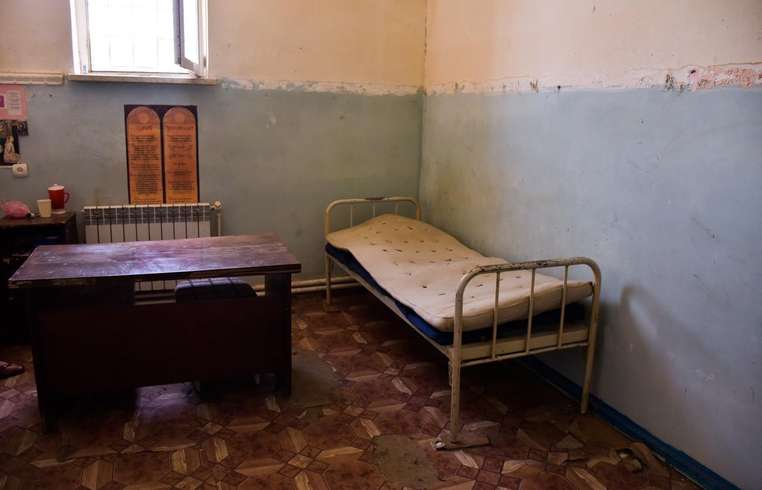
In 2025, a troubling trend emerged in Armenian prisons as the number of deaths doubled compared to the previous year. A total of 24 fatalities were recorded, including 16 biological deaths and 8 suicides. This stark increase from the 12 deaths reported in 2024, of which half were suicides, has raised concerns among human rights organizations and public health officials. The Armavir penitentiary was notably affected, witnessing the highest number of deaths. Efforts to understand the causes have pointed to inadequate healthcare provisions, especially for inmates with mental health issues. Many point to the closure of the Prison Hospital as a significant factor. With its shutdown, the remaining healthcare facilities have struggled to provide specialized care, particularly for conditions linked to mental health, which correlates with the rise in suicide rates. Activists and international observers have voiced their concerns about the Armenian penitentiary system's capacity to manage health risks and provide necessary treatment. They highlight a lack of resources and training in dealing with mental health crises, which are often compounded by overcrowded conditions. Beyond healthcare, the issue of inmate supervision and suicide prevention measures has come under scrutiny. Despite commitments to improve these systems, there remains a critical need for effective risk management and responsive healthcare services. The alarming statistics have spurred a call for urgent reforms. They urge the Armenian government to adopt comprehensive measures that prioritize mental health services, enhance medical infrastructure, and ensure adequate staffing in prisons to prevent further tragic losses. In the broader context, experts are looking into systemic changes that would integrate better mental health support within the judicial and correctional processes. This comprehensive approach aims to reduce the stress and trauma experienced by inmates, which can lead to dire consequences if unaddressed.
About usyoo

Categories
Tags