News - Cambridge to return 100 artifacts to Nigeria
Business Strategy
Cambridge to return 100 artifacts to Nigeria
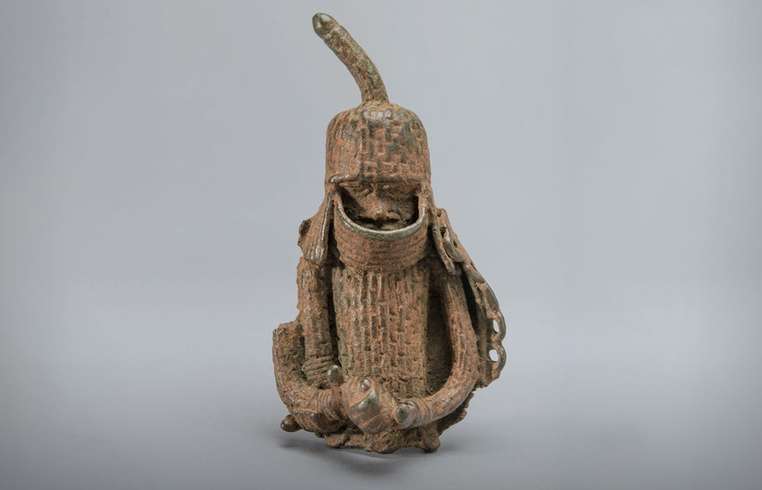
In a significant move amidst global discussions on cultural restitution, the University of Cambridge has decided to repatriate more than 100 artifacts, predominantly known as the Benin Bronzes, to Nigeria. These artifacts were originally seized during a British military expedition in the late 19th century. This decision forms part of broader demands for the restoration of cultural items taken during colonial times by various Western institutions. The Benin Bronzes, which comprise a collection of bronze plaques, brass and wooden sculptures, ceremonial objects, and carved ivory tusks, were forcefully acquired in 1897 during the British assault on the Kingdom of Benin, now part of modern-day Nigeria. Cambridge announced it had handed over legal ownership of 116 artifacts, previously held at the Museum of Archaeology and Anthropology (MAA), to Nigeria's National Commission for Museums and Monuments (NCMM). Arrangements for the physical transfer are forthcoming; however, an agreement allows 17 artifacts to remain on exhibition at MAA for a renewable period of three years. The NCMM, confirming the acquisition of these items, highlighted that the transfer was the result of a formal request submitted in 2022. Director-General Olugbile Holloway stated, 'The return of these cultural treasures marks not only the physical retrieval of significant artifacts but also the revival of cultural pride and identity lost during their initial removal.' The restoration of cultural heritage remains a crucial agenda for numerous African nations, following recent similar moves by other institutions. August 2022 witnessed London’s Horniman Museum and Gardens announcing the return of 72 Benin Bronzes to Nigeria. Furthermore, Rhode Island School of Design Museum repatriated 31 objects, including the notable 'Head of a King,' to Nigeria's National Collections. These efforts underline the ongoing efforts by African countries to reclaim prized cultural heritages. Beyond Nigeria, countries like Ghana and Uganda are also negotiating the return of their historical treasures under loan agreements, given the extensive heritage collections held by global museums due to past colonial conquests.
About usyoo

Categories
Tags